Broward Center tickets 4 April 2027 - Spring Mix | GoComGo.com

Spring Mix

Broward Center, Fort Lauderdale, USA
All photos (7)
Select date and time
1 PM 6:30 PM
From
US$ 89

E-tickets: Print at home or at the box office of the event if so specified. You will find more information in your booking confirmation email.

You can only select the category, and not the exact seats.
If you order 2 or 3 tickets: your seats will be next to each other.
If you order 4 or more tickets: your seats will be next to each other, or, if this is not possible, we will provide a combination of groups of seats (at least in pairs, for example 2+2 or 2+3).

Important Info
Type: Ballet
City: Fort Lauderdale, USA
Starts at: 18:30
Duration: 24min

E-tickets: Print at home or at the box office of the event if so specified. You will find more information in your booking confirmation email.

You can only select the category, and not the exact seats.
If you order 2 or 3 tickets: your seats will be next to each other.
If you order 4 or more tickets: your seats will be next to each other, or, if this is not possible, we will provide a combination of groups of seats (at least in pairs, for example 2+2 or 2+3).

Cast
Performers
Ballet company: Miami City Ballet
Ballet company: New York City Ballet
Orchestra: Miami City Ballet Orchestra
Creators
Composer: Pyotr Tchaikovsky
Composer: Aaron Copland
Choreographer: George Balanchine
Choreography: Justin Peck
Overview

Spring Mix is a thrilling program that pairs iconic George Balanchine neoclassicism with daring new works by today’s leading ballet visionaries.

The program opens with Balanchine’s Tschaikovsky Piano Concerto No. 2, created in 1941 as an homage to the spectacle and grandeur of the Russian Imperial ballet tradition. In a commissioned world premiere, Tiler Peck—acclaimed ballerina and emerging choreographer—brings her distinctive artistic voice to Miami City Ballet.  

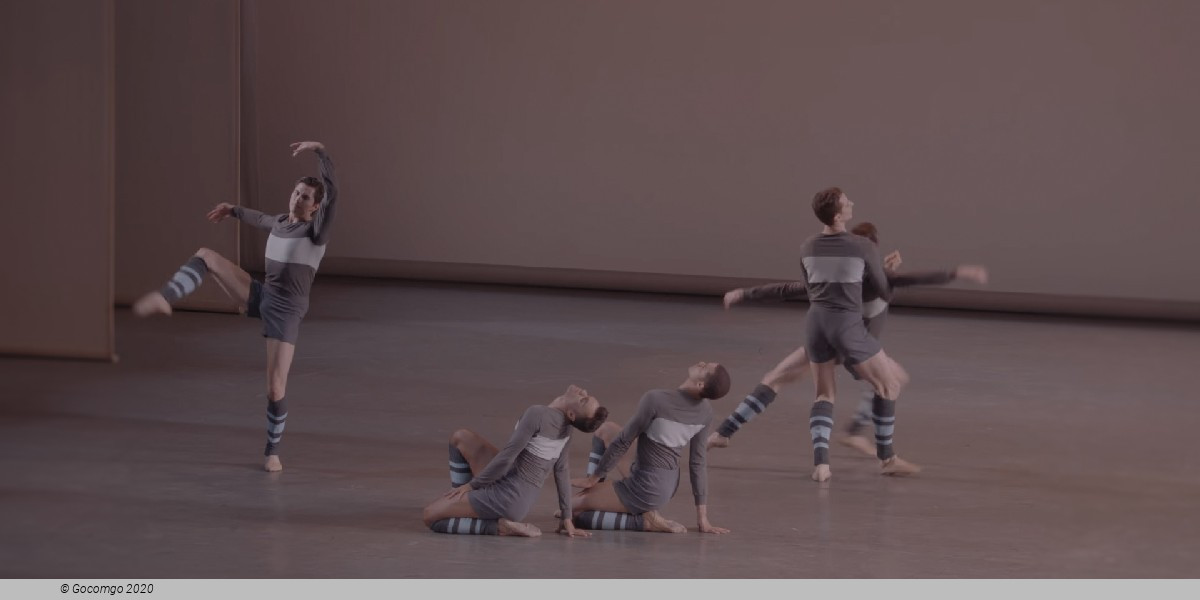
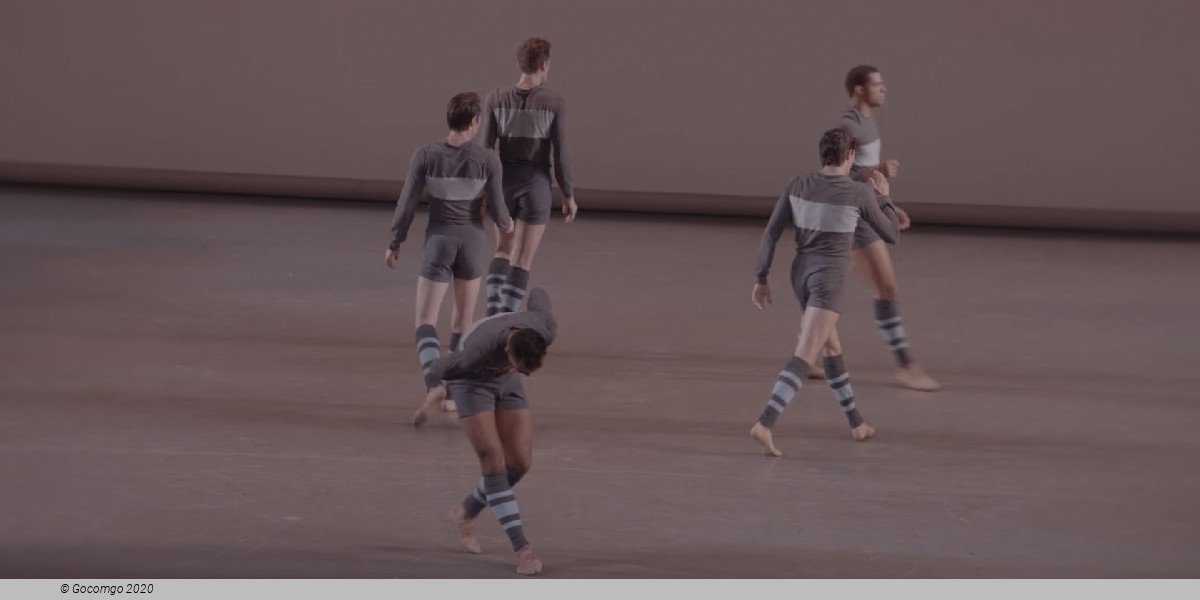
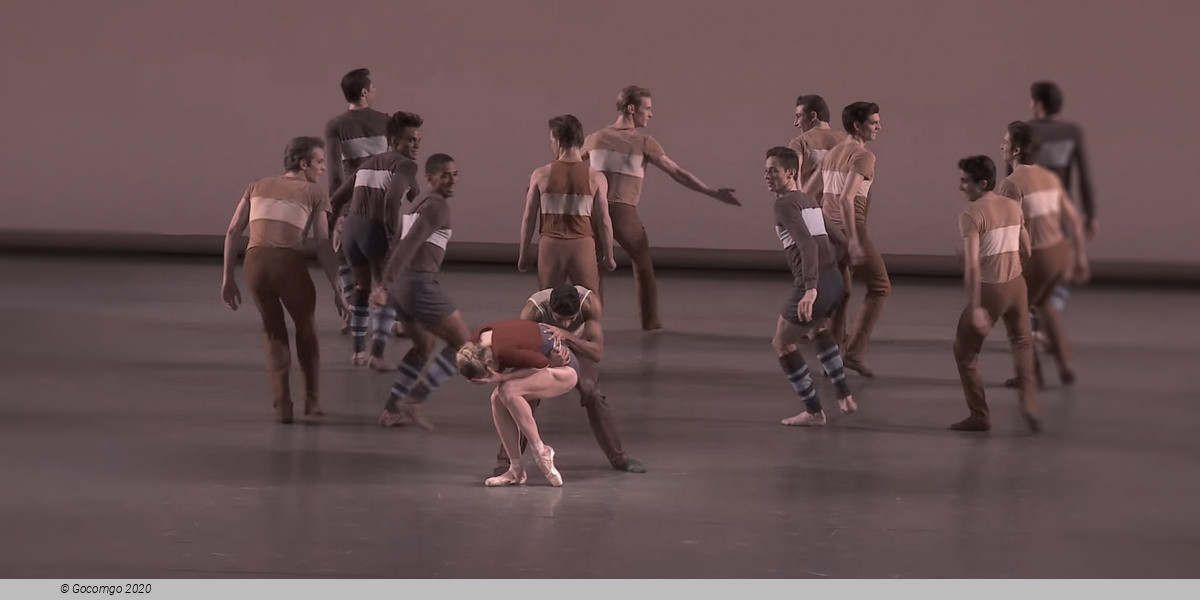
Completing the program is Rodeo: Four Dance Episodes by Justin Peck, who captures the American spirit with his signature blend of athletic movement, ensemble interplay, and theatrical flair. 

Let the momentum and excitement of these choreographic voices carry you through the night. 

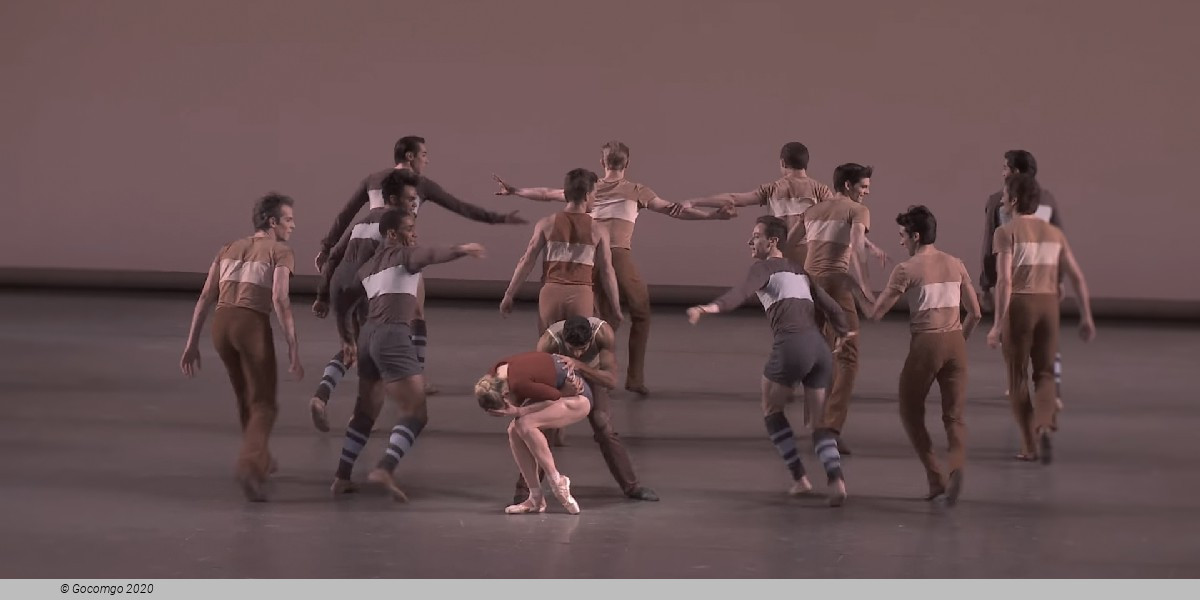
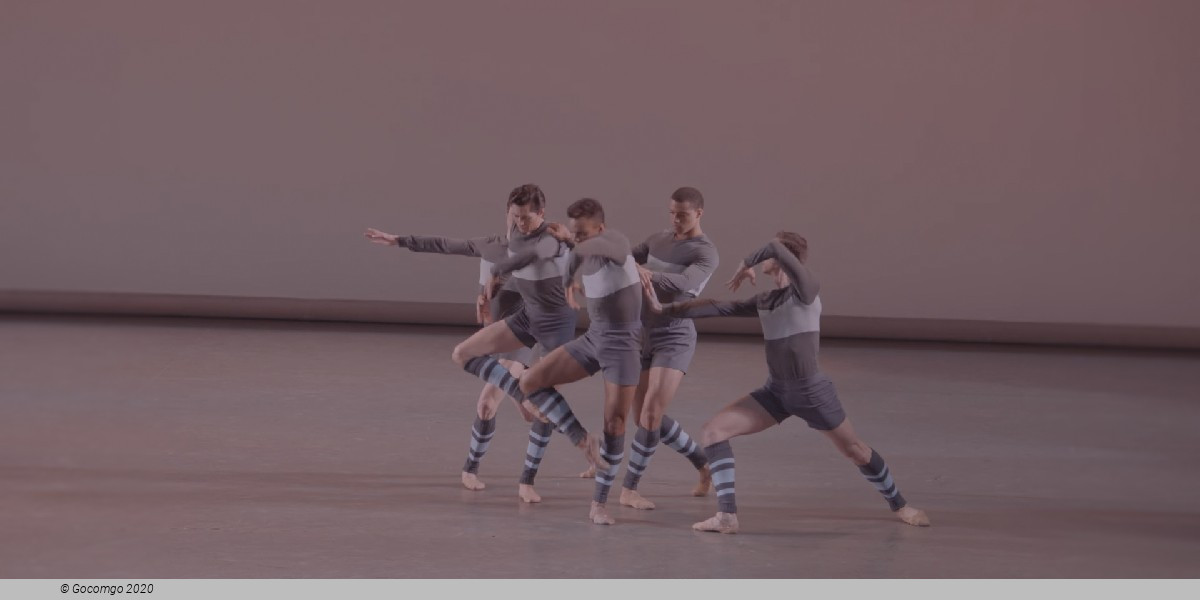
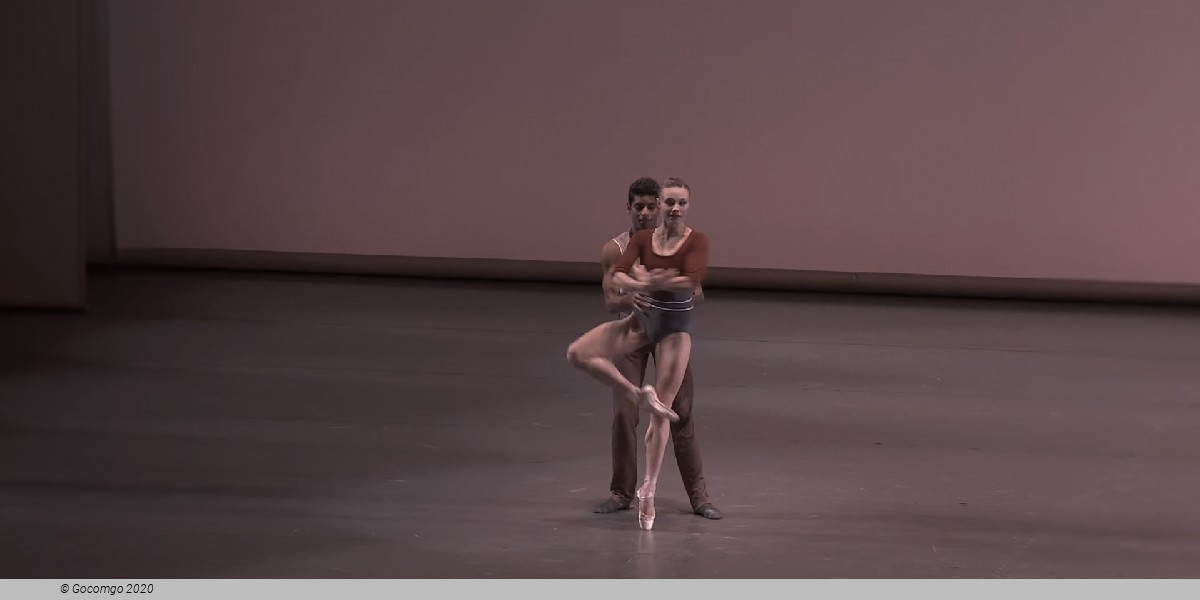
An abstract take on Aaron Copland’s well known Americana score, Rodeo: Four Dance Episodes pairs a lone woman with a cast of 15 jocular, energetic, and charming male dancers for a fresh and thrilling adventure that audiences adore.

Resident Choreographer and Artistic Advisor Justin Peck’s Rodeo: Four Dance Episodes, with a cast of 15 male dancers and a single female principal dancer, was his eighth work for New York City Ballet. In 1942, the composer Aaron Copland wrote the iconic ballet score Rodeo for choreographer Agnes de Mille. Copland later rearranged the original score for symphony orchestra, which Peck has used for his ballet. Upon the ballet’s premiere in February 2015, Peck wrote, “In creating the choreography, I divided the score into four distinct choreographic interpretations: The first movement takes on a kinetic, engine-like quality; the second movement elicits recurring weather patterns; the third movement calls to mind the synchronicity illustrated by two birds in flight; and finally, the concluding fourth movement communicates a sense of total vitality, bright fervor, and healthy competition.”

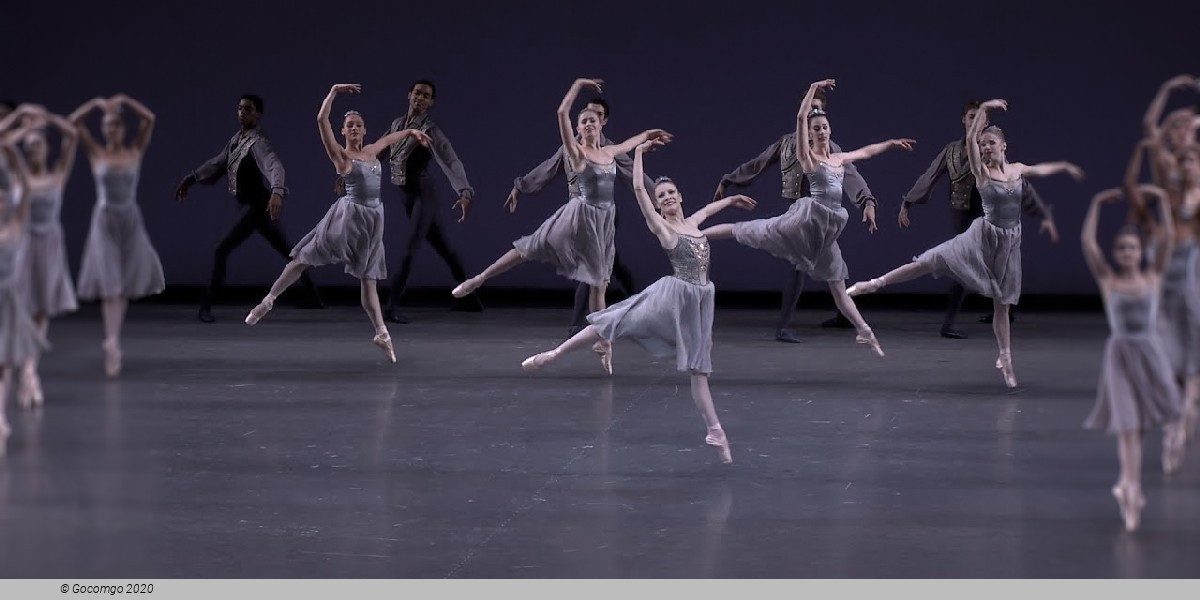
Balanchine’s Tschaikovsky Piano Concerto No. 2 is an ebullient outpouring of classical technique with tiaraed tiers of corps de ballet dancers.

Balanchine first staged Tschaikovsky’s Second Piano Concerto for the American Ballet Caravan in May 1941. Under the sponsorship of the Office of the Coordinator of Inter-American Affairs under the Roosevelt administration (Nelson A. Rockefeller, coordinator), the Caravan undertook a tour of South America, performing in every country except Paraguay and Bolivia.

It was felt that a classical ballet should be presented, but instead of reviving an existing ballet, Balanchine created a work in the style of Petipa and the Petersburg tradition. The decor, by Mstislav Dobuzhinsky, showed the Neva, with the Peter-Paul Fortress, framed in the Imperial blue and white of the Winter Palace.

Ballet Imperial was revived in 1964 by New York City Ballet with new decor by Rouben Ter-Arutunian, who followed a similar visual approach. In 1973, Balanchine felt that the allusion to Imperial Russia was outmoded, and that the ballet could stand in relation to the music alone. The title was changed, the decor eliminated, the costumes simplified, and some of the pantomime in the second movement altered—but the choreography as a whole remained the same.

For the 2019 Winter Season, NYCB Director of Costumes Marc Happel has redesigned the costumes. Created with the generous support of Swarovski, the costumes and headpieces feature thousands of Swarovski crystals.

The Ballet Imperial was first staged for New York City Ballet by Frederic Franklin on 15 October 1964 at the New York State Theater, Lincoln Center. Balanchine restaged it in 1973 with its current title. Traditional tutus and scenery in the grand Russian style were used through the 1964 NYCB revival; since 1973 it has been danced with chiffon skirts designed by Karinska and without scenery. Balanchine said that the ballet is "a contemporary tribute to Petipa, 'the father of the classical ballet,' and to Tschaikovsky, his greatest composer." 

History
Premiere of this production: 29 May 1941, Teatro Municipal, Rio de Janeiro

Tschaikovsky Piano Concerto No. 2, originally called Ballet Imperial, is a ballet in three movements made by New York City Ballet's co-founder and founding choreographer George Balanchine for his earlier company, American Ballet Caravan, to the version of Peter Ilyitch Tchaikovsky's Piano Concerto No. 2, originally composed in 1879–80, but later revised by Alexander Siloti. The ballet was given a preview performance on 29 May 1941 at the Little Theater of Hunter College in New York City. The premiere took place on 25 June 1941 at Teatro Municipal, Rio de Janeiro.

Venue Info

Broward Center - Fort Lauderdale
Location   201 SW 5th Avenue

Au-Rene Theater (Florida Grand Opera), the main performance space for major international, national and regional productions, including Miami City Ballet, Concert Association of Florida, Florida Grand Opera and Broadway Across America touring companies.

This beautifully restored, grand theater offers a functional design that provides excellent sightlines along with an elegant yet warm ambiance that is unparalleled in the industry. Considered a Broadway roadhouse, the Au-Rene Theater is known for its celebrated performers and performances. With state-of-the art lighting and acoustic systems, the Au-Rene Theater is designed to accommodate large-scale performances and is ideally suited for full-size theatrical productions, ballet, opera, comedy, lectures, orchestral, pop and rock concerts and more. The Au-Rene Theater is consistently ranked as one of the top ten worldwide theater venues for ticket sales by Pollstar magazine and is one of the most visited theaters in the United States.

The Broward Center for the Performing Arts is a large multi-venue performing arts center located in downtown Fort Lauderdale, Florida, United States of America. Opened in 1991 on a 5.5-acre (22,000 m2) site along the north bank of the New River at Sailboat Bend, the center became a catalyst for major downtown revitalization efforts and an anchor of the Riverwalk Arts and Entertainment District. Designed by Benjamin C. Thompson, the Broward Center hosts operas, ballets, concerts, plays, lectures, and numerous community events in its four theaters, Broward Center is partners in the arts with several organizations including the Symphony of the Americas, Florida Grand Opera, Miami City Ballet, Concert Association of Florida, Gold Coast Jazz.

Important Info
Type: Ballet
City: Fort Lauderdale, USA
Starts at: 18:30
Duration: 24min
Top of page