The synopsis is based on 1737 version
Prologue
The allegorical prologue is unrelated to the main story. It celebrates the end of the War of the Polish Succession, in which France had been involved. In the prologue, Venus, goddess of love, subdues Mars, god of war, with the help of Minerva. In the 1754 revision, the prologue was eliminated.
Act 1
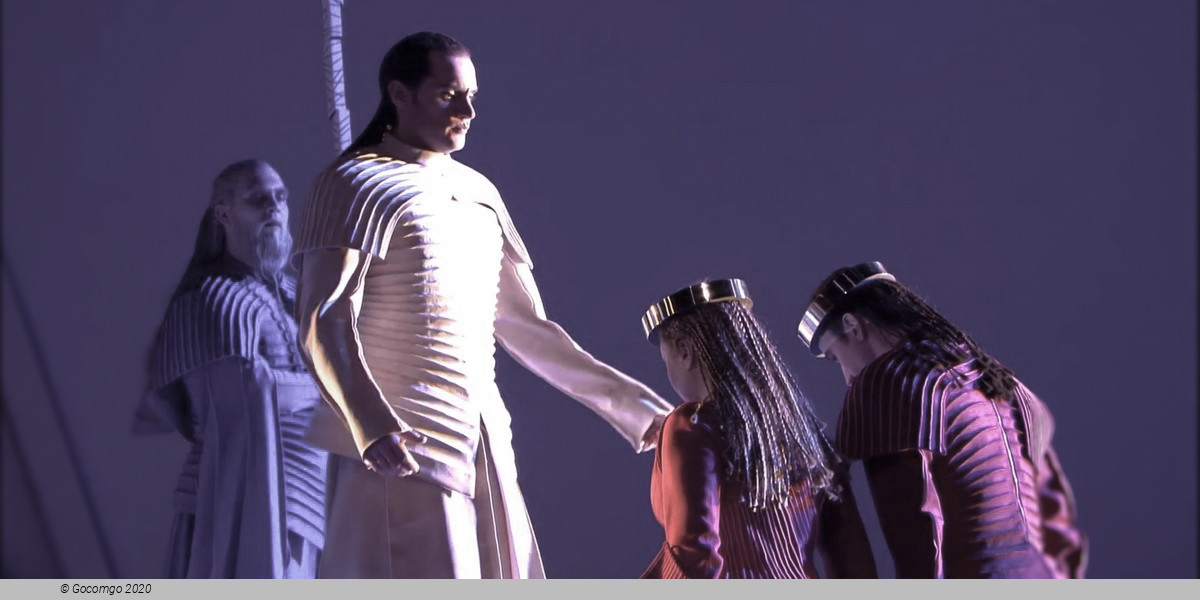
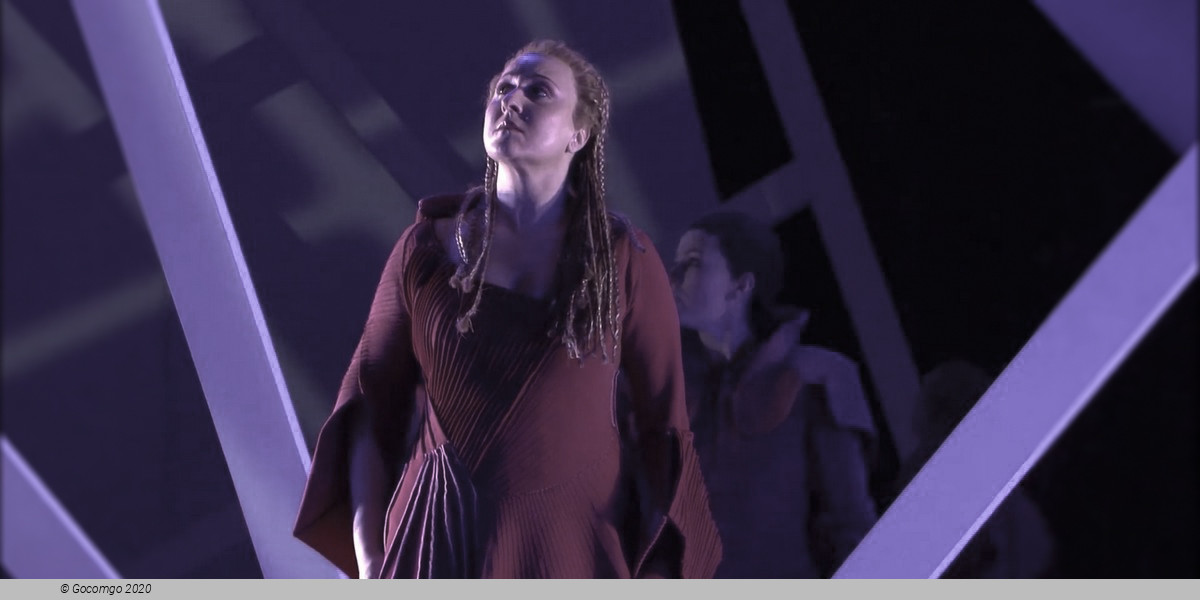
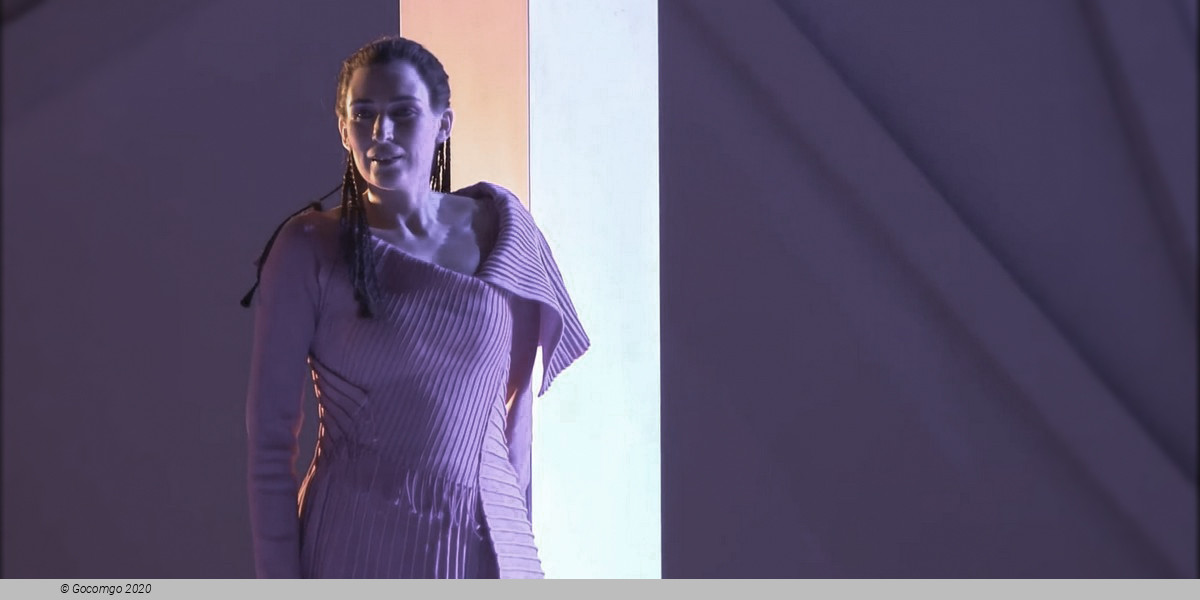
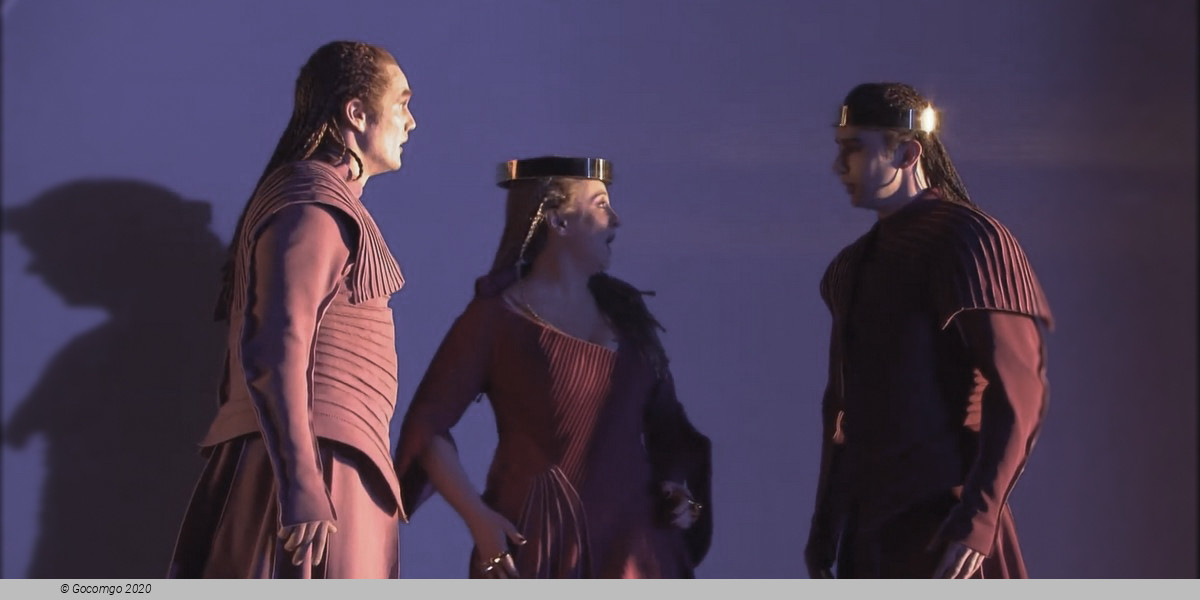
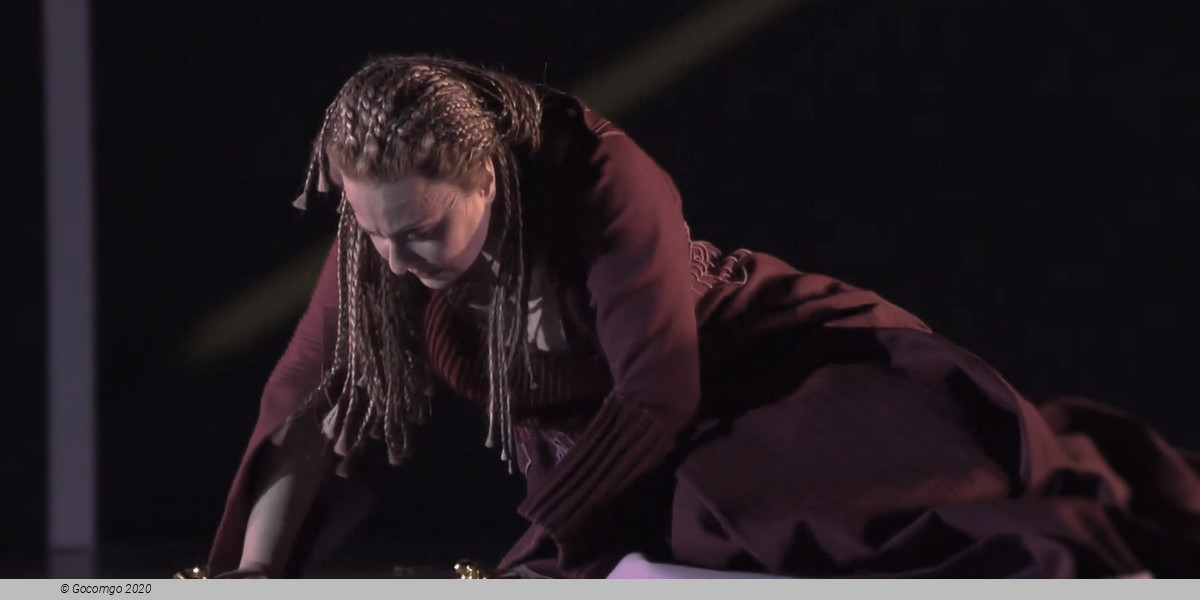
Background note: Castor and Pollux are famous heroes. Despite being twin brothers, one of them (Pollux) is immortal and the other (Castor) is mortal. They are both in love with the princess Telaira (Télaïre), but she loves only Castor. The twins have fought a war against an enemy king, Lynceus (Lyncée) which has resulted in disaster: Castor has been slain. The opera opens with his funeral rites. Telaira expresses her grief to her friend Phoebe (Phébé) in Tristes apprêts, one of Rameau's most famous arias. Pollux and his band of Spartan warriors interrupt the mourning bringing the dead body of Lynceus who has been killed in revenge. Pollux confesses his love for Telaira. She avoids giving a reply, instead asking him to go and plead with his father Jupiter, king of the gods, to restore Castor to life.
Music in Act I: In the 1737 version, the act opens with a tomb scene in which a chorus of Spartans mourns the death of their fallen king Castor who has been slain by Lynceus. The music in F minor features a descending tetrachord motive associated with lamentation since Claudio Monteverdi's Nymph's Lament (in this case it is chromatic: F-E-Eb-D-Db-C). Although Telaira's Tristes apprêts in scene 3 does not have the descending tetrachord feature, Cuthbert Girdlestone still calls it a lament. The air is in da capo form, whose B-section has a recitative-like quality. It features a bassoon obbligato part and a high register outburst on the word "Non!" that marks its high point. The march music for the entrance of Pollux and the Spartans is martial in character. With Lynceus's corpse at his feet, Pollux proclaims his brother avenged; the Spartans chorus then sings and dances in rejoice "Let Hell applaud this new turn! Let a mournful shade rejoice in it! The cry of revenge is the song of Hell.". The second air of the Spartans in C Major, a that allows for a trumpet obbligato part with all of its military associations. (Before valved instruments, the trumpet keys were C and D major.) The act concludes with a lengthy recitative in which Pollux professes his love for Telaira.
Act 2
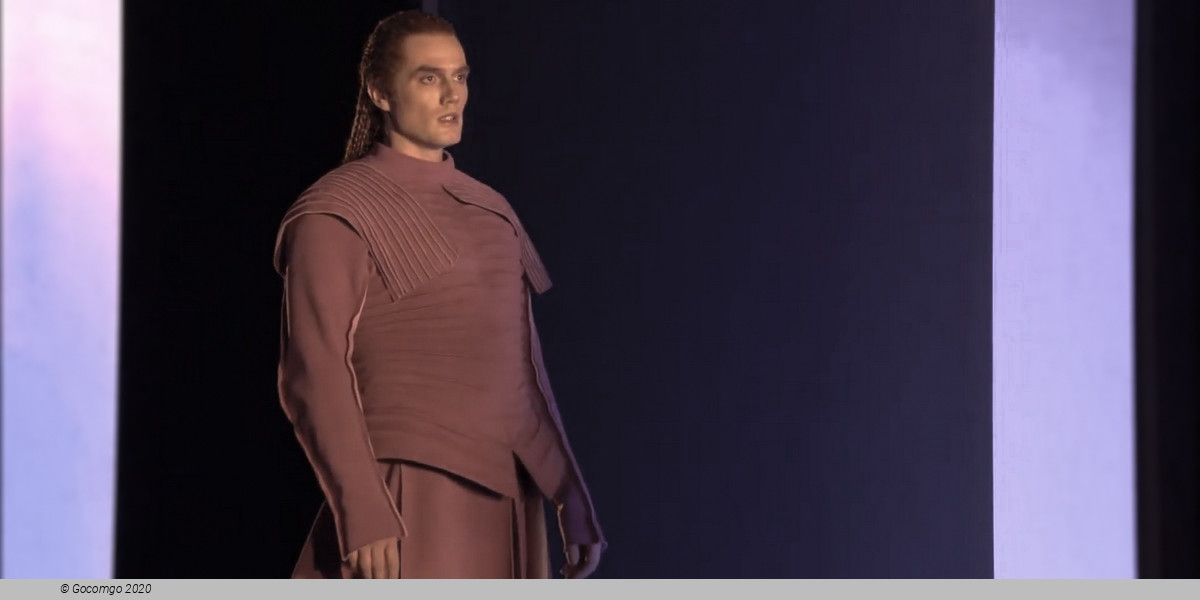
Pollux expresses his conflicting emotions in the aria Nature, amour, qui partagez mon coeur. If he does what Telaira says and manages to persuade Jupiter to restore his brother to life, he knows he will lose the chance to marry her. But he finally yields to her pleas. Jupiter descends from above and Pollux begs him to bring Castor back to life. Jupiter replies he is powerless to alter the laws of fate. The only way to save Castor is for Pollux to take his place among the dead. Pollux, despairing that he will never win Telaira, decides to go to the Underworld. Jupiter tries to dissuade him with a ballet of the Celestial Pleasures led by Hebe, goddess of youth, but Pollux is resolute.
Act 3
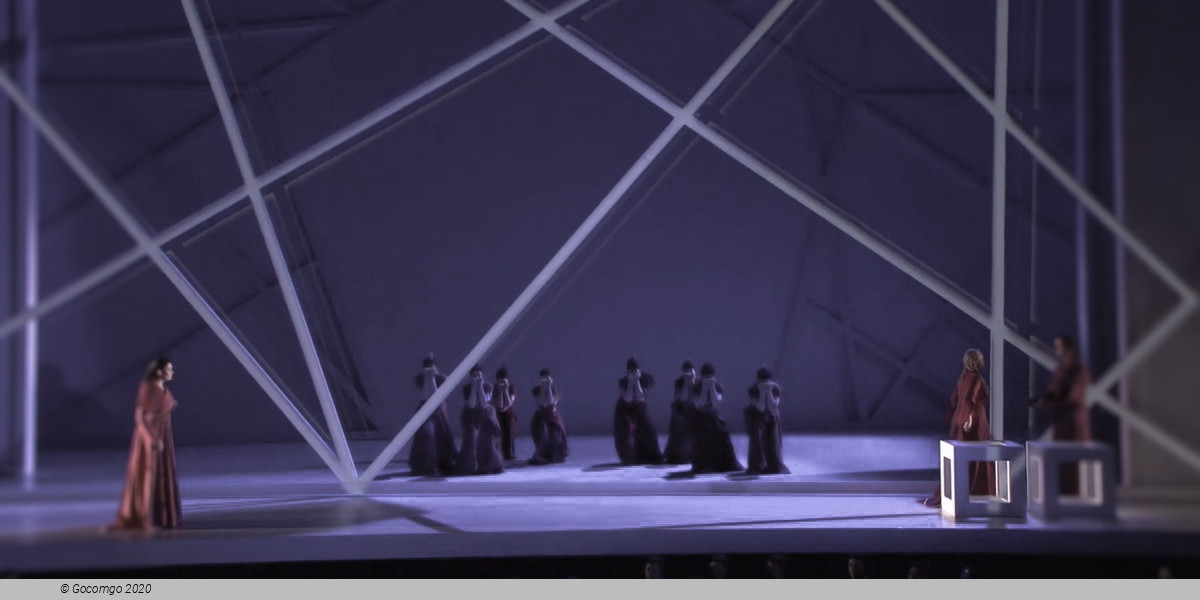
The stage shows the entrance to the Underworld, guarded by monsters and demons. Phoebe gathers the Spartans to prevent Pollux from entering the gate of the Underworld. Pollux refuses to be dissuaded, even though Phoebe declares her love for him. When Telaira arrives and she sees Pollux's passion for her, Phoebe realises her love will be unrequited. She urges the demons of the Underworld to stop him entering (Sortez, sortez d'esclavage/Combattez, Démons furieux). Pollux fights the demons with the help of the god Mercury and descends into Hades.
Act 4
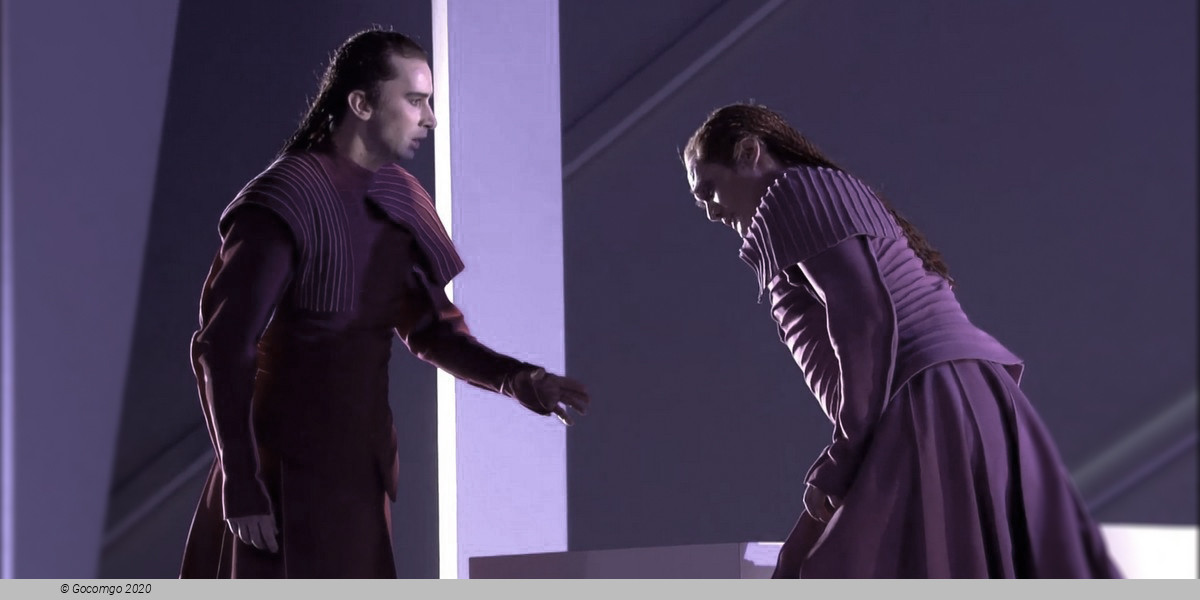
The scene shows the Elysian fields in the Underworld. Castor sings the aria Séjours de l'éternelle paix: the beautiful surroundings cannot comfort him for the loss of Telaira, neither can a Chorus of Happy Spirits. He is amazed to see his brother Pollux, who tells him of his sacrifice. Castor says he will only take the opportunity to revisit the land of the living for one day so he can see Telaira for the last time.
Act 5
Castor returns to Sparta. When Phoebe sees him, she thinks Pollux is dead for good and commits suicide so she can join him in the Underworld. But Castor tells Telaira he only plans to remain alive with her for a single day. Telaira bitterly accuses him of never having loved her. Jupiter descends in a storm as a deus ex machina to resolve the dilemma. He declares that Castor and Pollux can both share immortality. The opera ends with the fête de l'univers ("Festival of the Universe") in which the stars, planets and sun celebrate the god's decision and the twin brothers are received into the Zodiac as the constellation of Gemini.







 Kaiser-Josef-Platz 10