Immerse yourself in a world of romance and beauty with this stunning triple bill. George Balanchine’s Serenade, his first work created in America, is an ethereal celebration of the ensemble of dancers, rather than the individual. Alexei Ratmansky’s Pictures at an Exhibition is a vivid and nuanced celebration of art, and Jessica Lang’s newest work promises to be nothing short of brilliant. Filled with lush music and inspirational performances, you won’t want to miss PNB’s 2026/27 season opener.
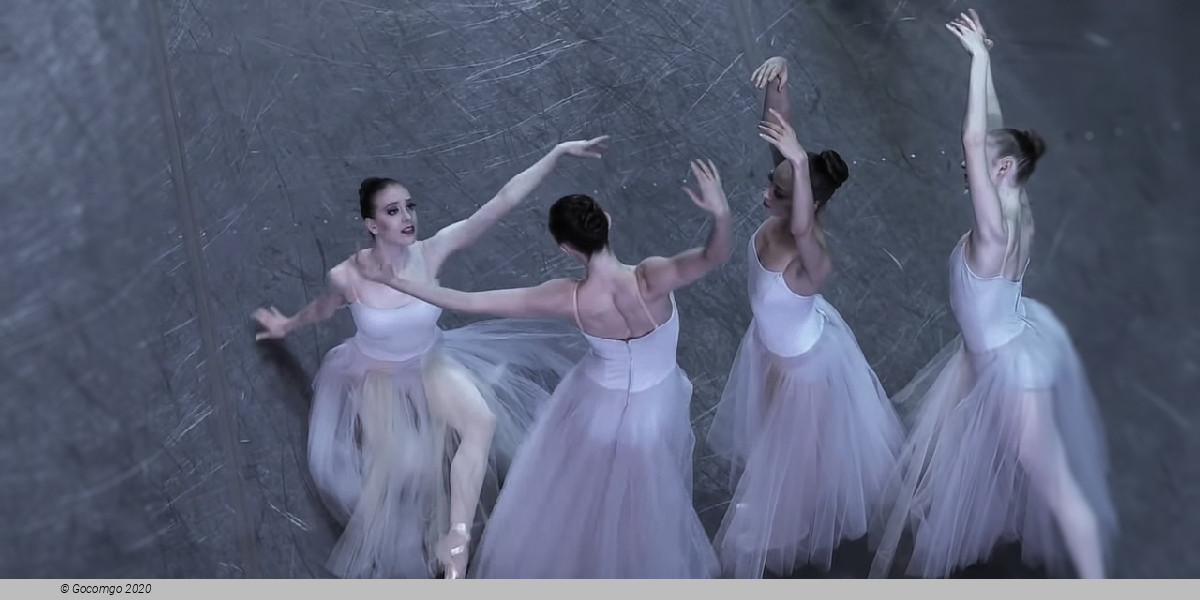
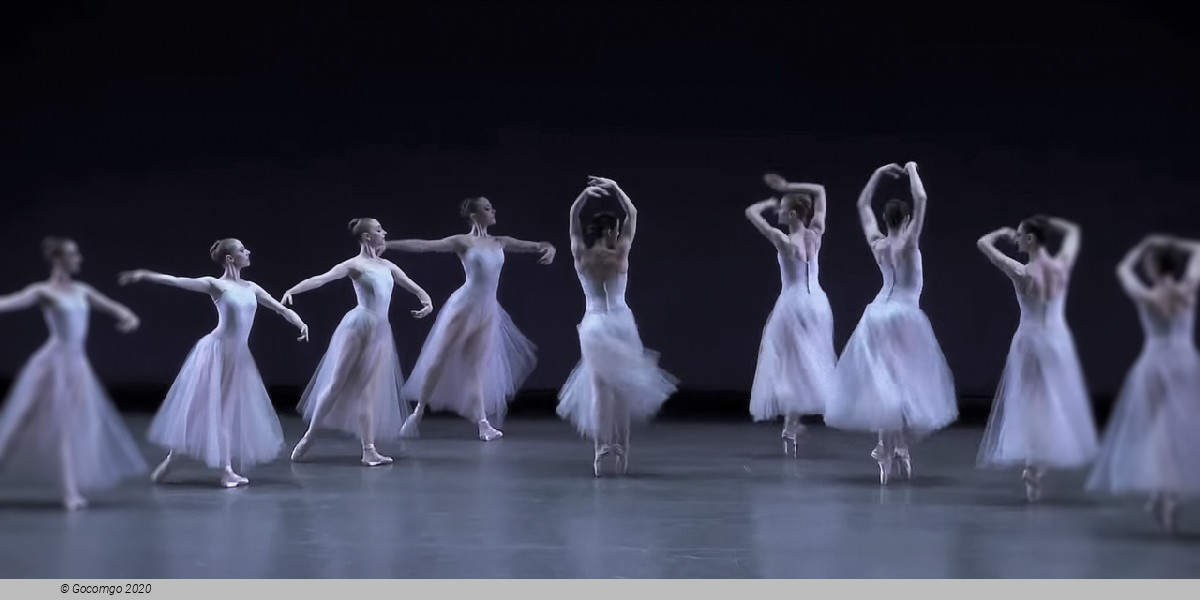
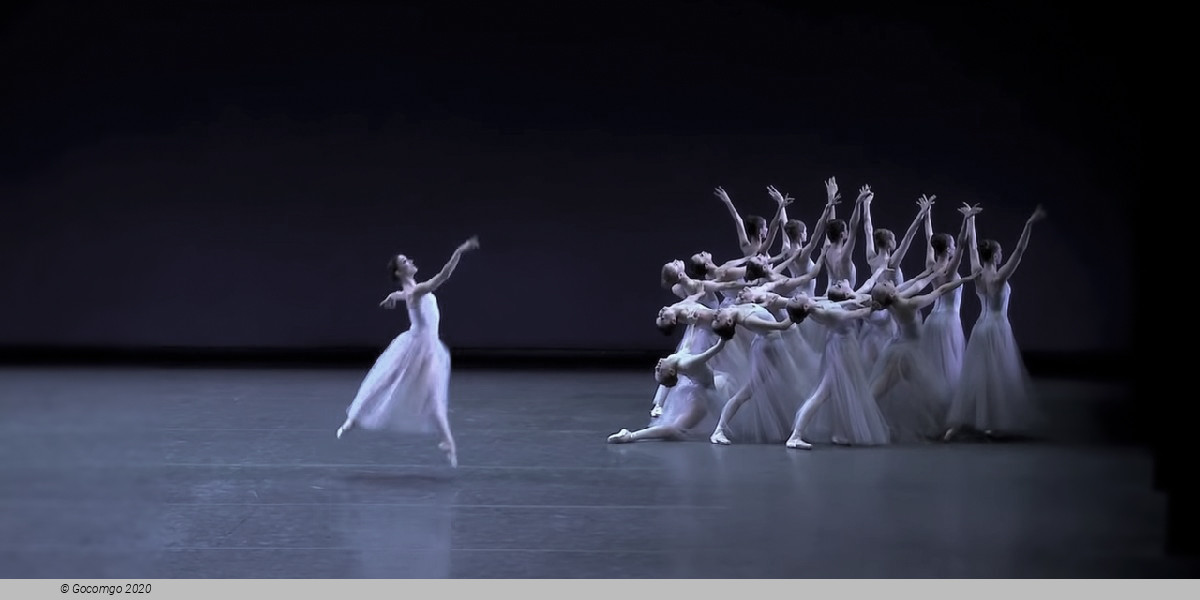
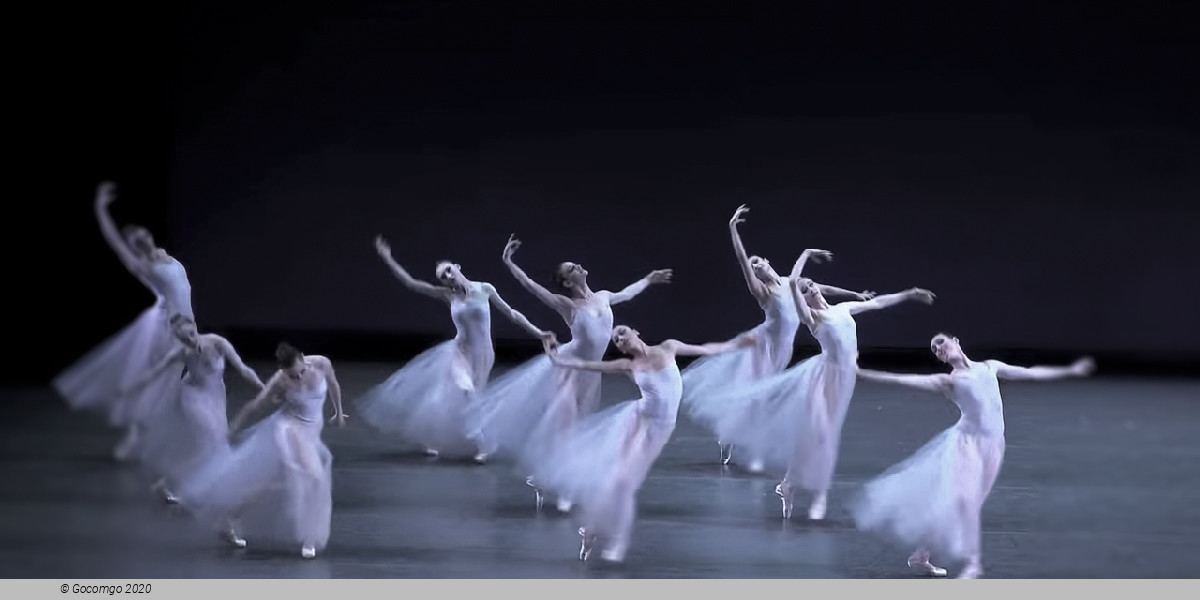
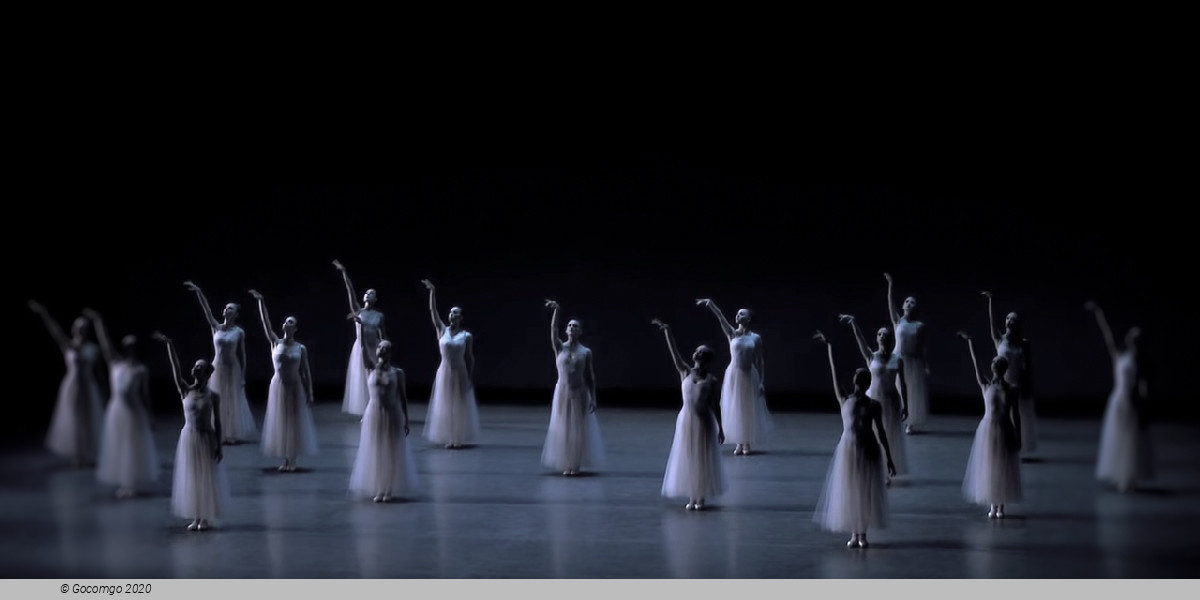
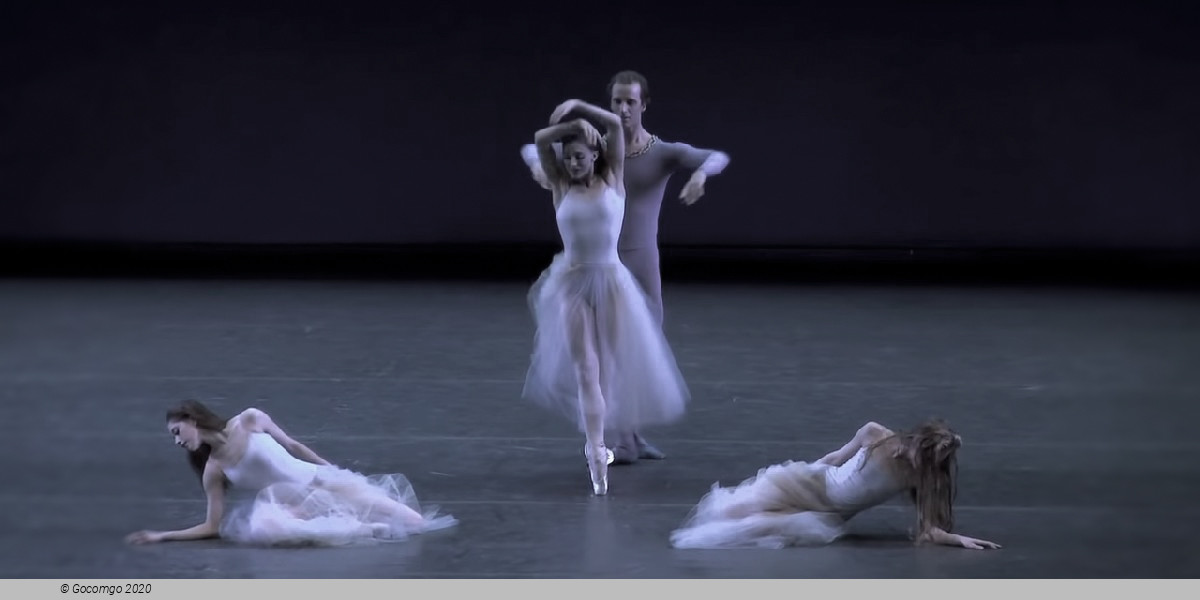
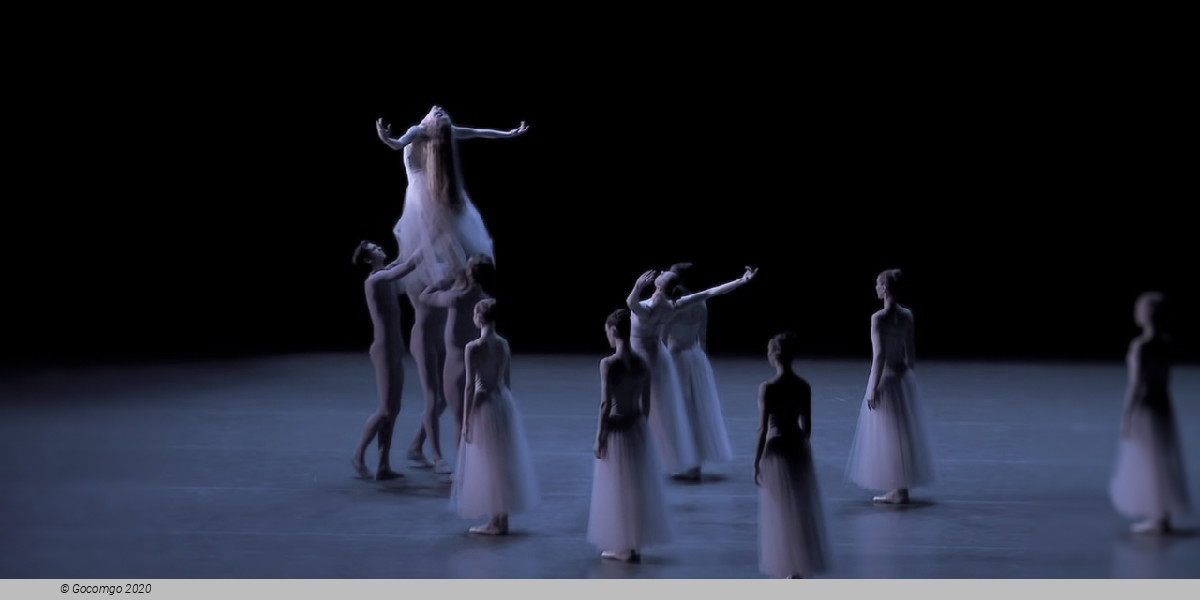
Serenade is a romantic work of immense sweep, set to a transcendent Tschaikovsky score.
Serenade is a milestone in the history of dance. It is the first original ballet George Balanchine created in America and is one of the signature works of New York City Ballet’s repertory. Balanchine began the ballet as a lesson in stage technique and worked unexpected rehearsal events into the choreography. A student’s fall or late arrival to rehearsal became part of the ballet.
After its initial presentation, Serenade was reworked several times. In its present form there are four movements: “Sonatina”, “Waltz”, “Russian Dance”, and “Elegy.” The last two movements reverse the order of Tschaikovsky’s score, ending the ballet on a note of sadness.
“In everything that I did to Tschaikovsky’s music, I sensed his help. It wasn’t real conversation. But when I was working and saw that something was coming of it, I felt that it was Tschaikovsky who had helped me.”
George Balanchine
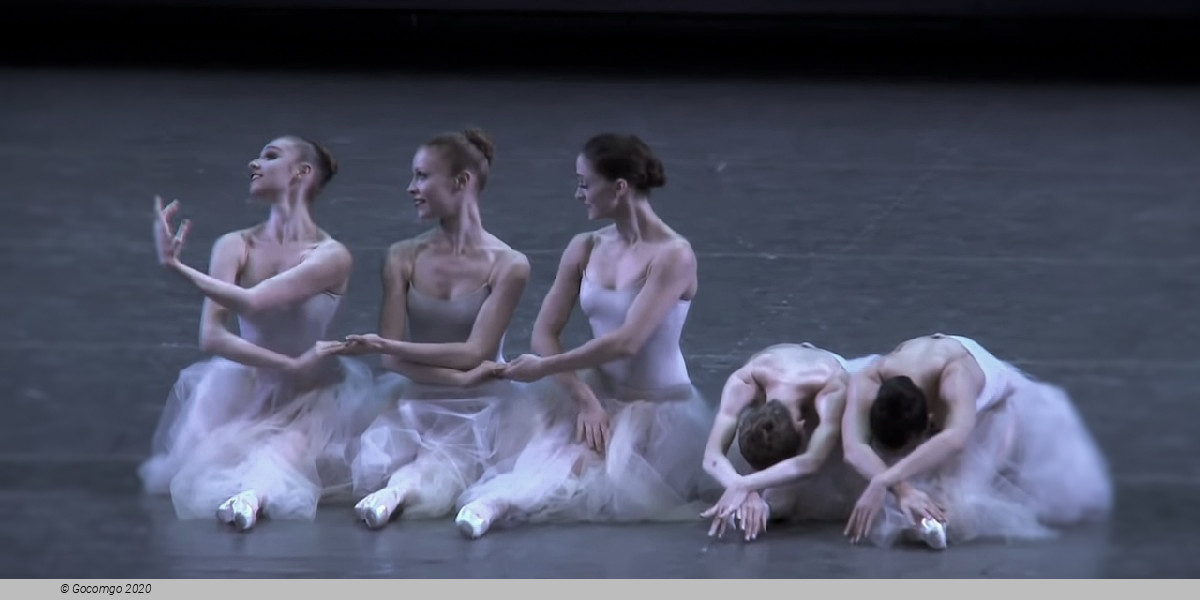
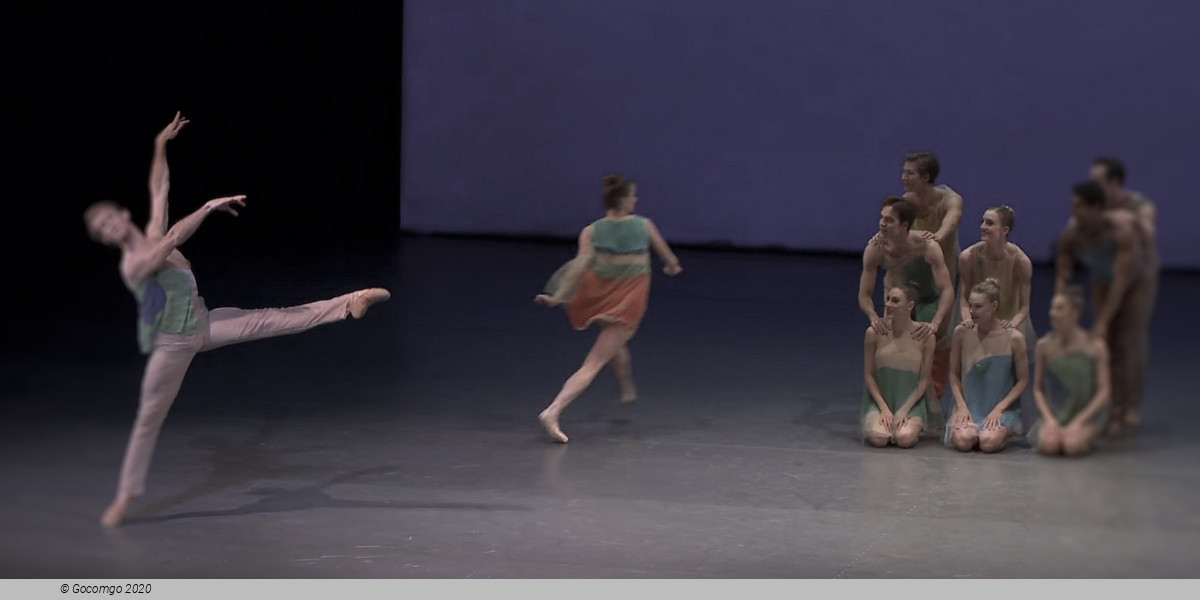
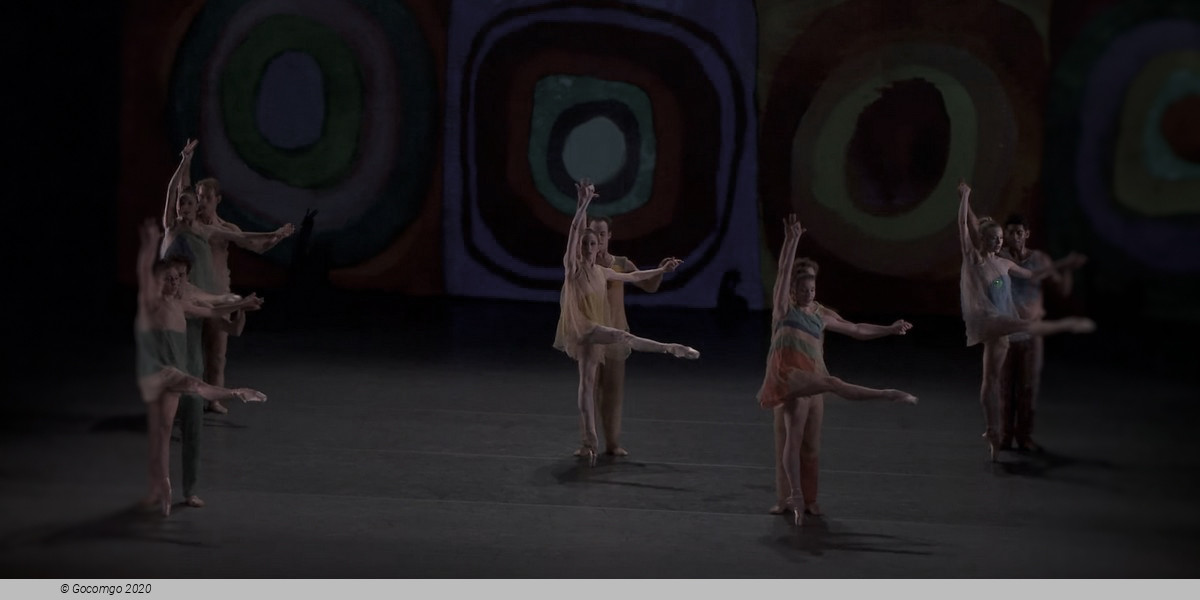
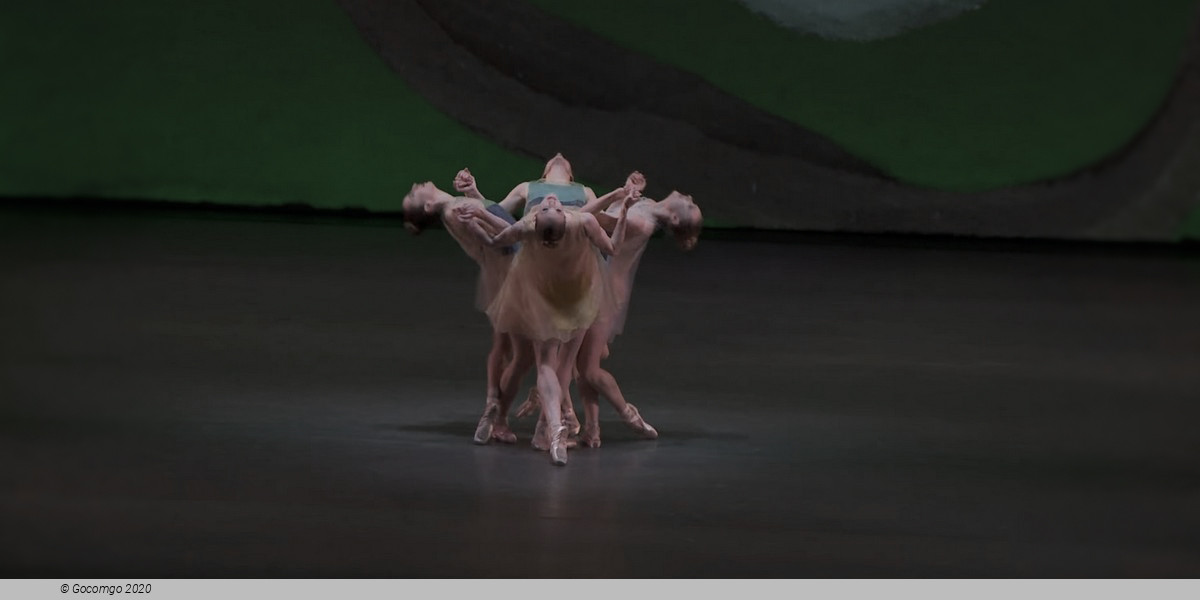
Like the ever-changing Wassily Kandinsky watercolors that set the stage, Pictures at an Exhibition’s ten dancers move in varying combinations to display a plethora of emotion, from raw and wild to solemn and soulful.
Created for New York City Ballet during the fall of 2014, Pictures at an Exhibition was Alexei Ratmansky’s fourth work for the Company. Using Modest Mussorgsky’s famed piano score, Pictures at an Exhibition, the ballet includes lighting design by Mark Stanley and projections of Wassily Kandinsky’s Color Study Squares with Concentric Circles, designed by Wendall K. Harrington. The 10 dancers are costumed in designs by fashion designer Adeline Andre, a frequent collaborator of Ratmansky’s.
In his 1874 work "Pictures at an Exhibition", Modest Mussorgsky, the most radical representative of the group known as "The Five", expressed an overflowing fullness of life and visionary sound images.
Writing in The New York Times after the ballet’s premiere, critic Alastair Macaulay stated, “‘Pictures at an Exhibition’ is surely the most casually diverse work Mr. Ratmansky has created, but it gathers unstoppable momentum. The 10 dancers—five women, five men—started out in informal home-theater mood, almost as if they were playing charades. Some dances, including the first solo (by Sara Mearns), had a wild, improvisatory, part-stumbling, part-inspired quality. (The tailor-made nature of the ballet’s solos reflects one of Mr. Ratmansky’s greatest gifts: Dancers are vividly, individually, intimately revealed.) In certain numbers the dancers—here on all fours, there gesturing—seemed to enact or refer to private stories. Other sections shifted toward a classicism of long lines and academic steps. Some ensembles were largely about camaraderie; others about geometry, harmony, meter.”






 301 Mercer Street Seattle, WA 98109