New National Theatre Tokyo tickets 1 May 2026 - Raymonda | GoComGo.com

Raymonda

New National Theatre Tokyo, Opera Palace, Tokyo, Japan
All photos (9)
Select date and time
6:30 PM
From
US$ 91

E-tickets: Print at home or at the box office of the event if so specified. You will find more information in your booking confirmation email.

You can only select the category, and not the exact seats.
If you order 2 or 3 tickets: your seats will be next to each other.
If you order 4 or more tickets: your seats will be next to each other, or, if this is not possible, we will provide a combination of groups of seats (at least in pairs, for example 2+2 or 2+3).

Important Info
Type: Ballet
City: Tokyo, Japan
Starts at: 18:30
Duration: 2h 55min

E-tickets: Print at home or at the box office of the event if so specified. You will find more information in your booking confirmation email.

You can only select the category, and not the exact seats.
If you order 2 or 3 tickets: your seats will be next to each other.
If you order 4 or more tickets: your seats will be next to each other, or, if this is not possible, we will provide a combination of groups of seats (at least in pairs, for example 2+2 or 2+3).

Cast
Performers
Conductor: Misato Tomita
Ballet company: The National Ballet of Japan
Orchestra: Tokyo Philharmonic Orchestra
Creators
Composer: Alexander Glazunov
Choreographer: Asami Maki
Librettist: Ivan Vsevolozhskiy
Author: Lidiya Pashkova
Choreography: Marius Petipa
Librettist: Marius Petipa
Overview

This is a classic ballet which takes place in the age of Crusades, and it features possibly the last great choreography by Marius Petipa, and beautiful music composed by Alexander Glazunov.

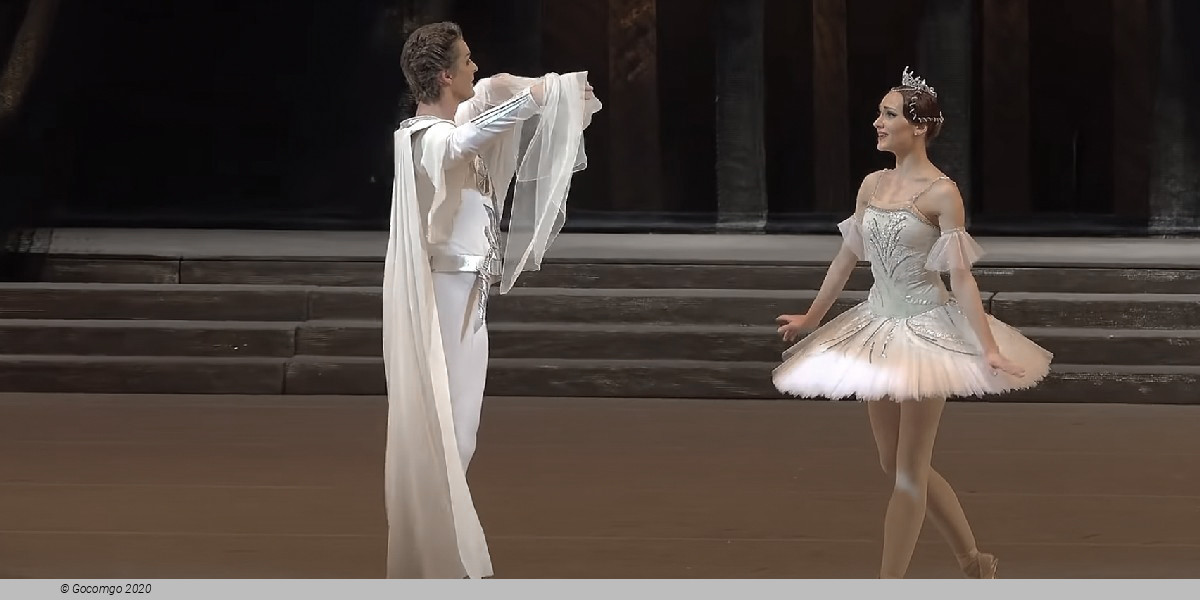
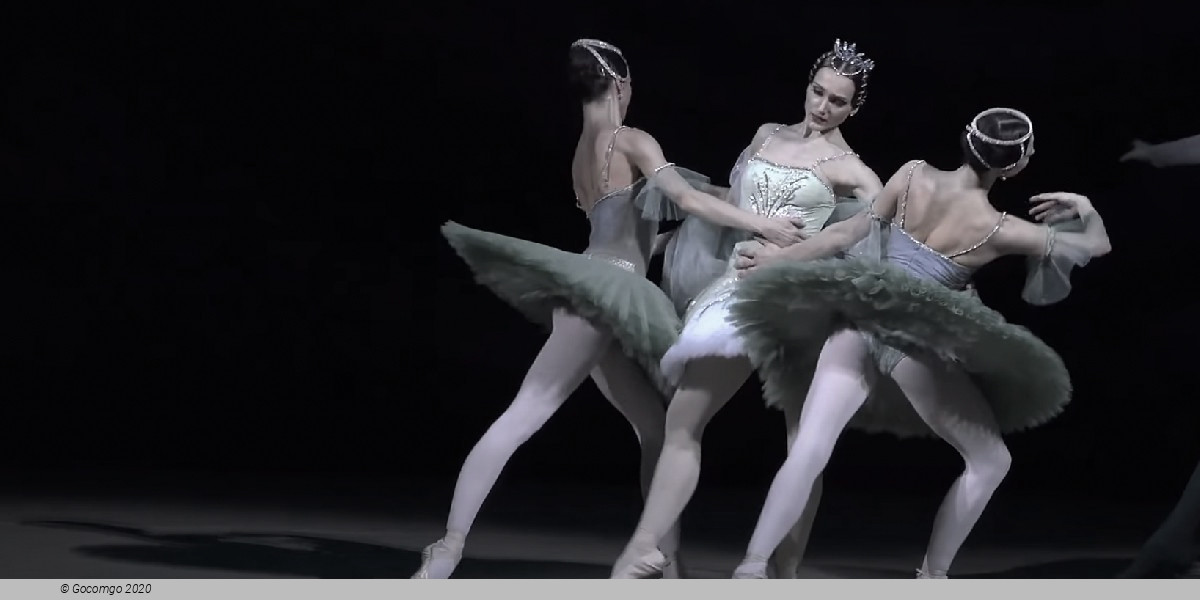
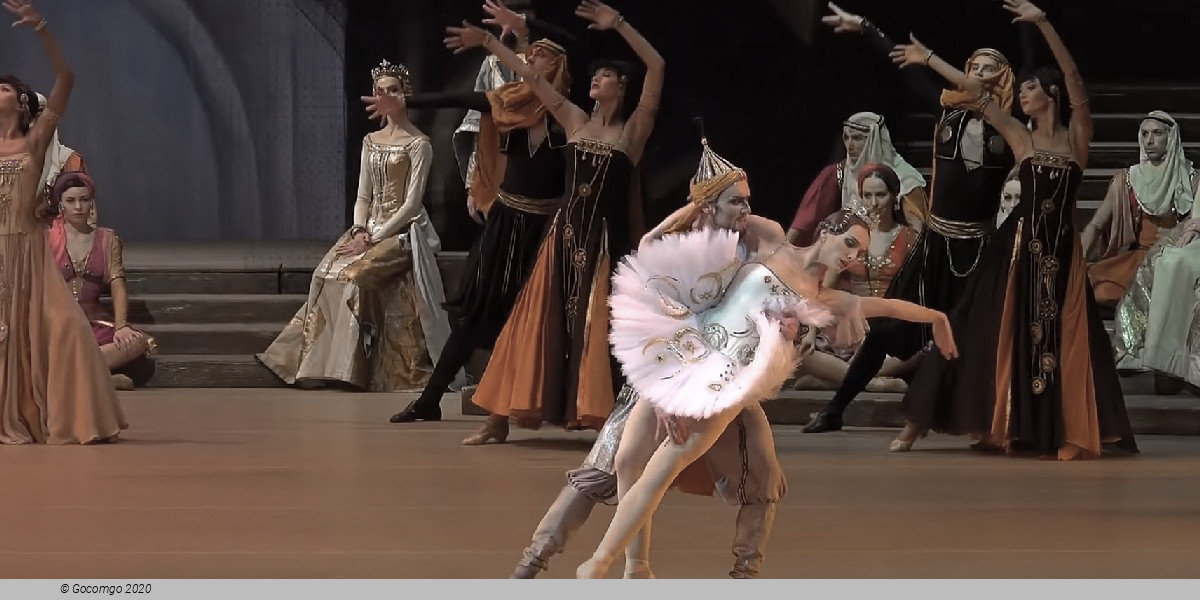
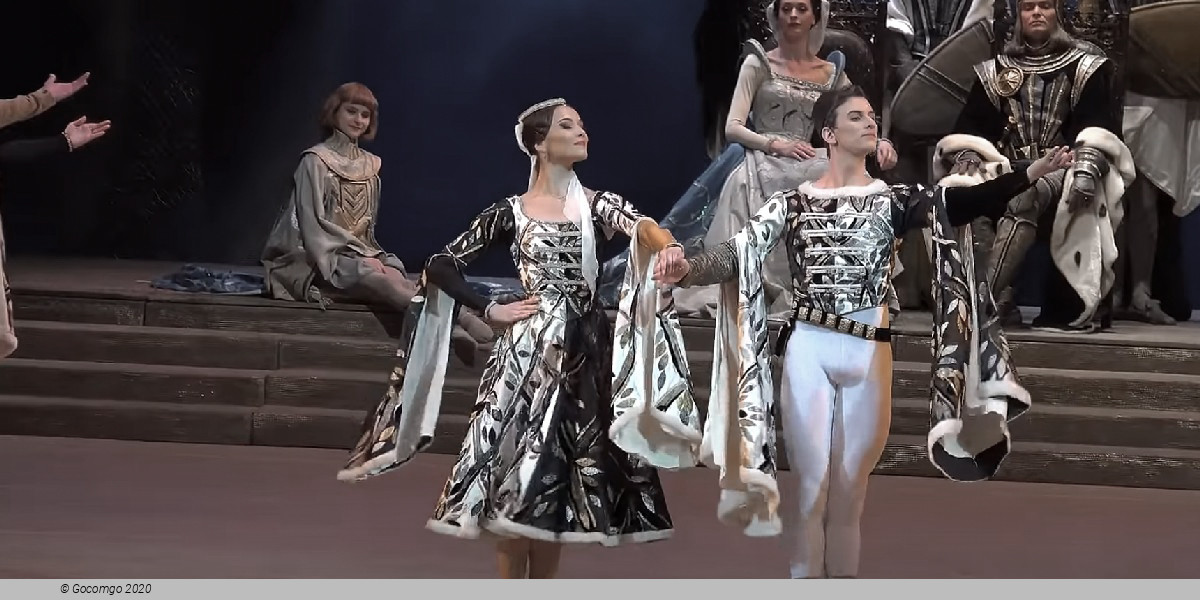
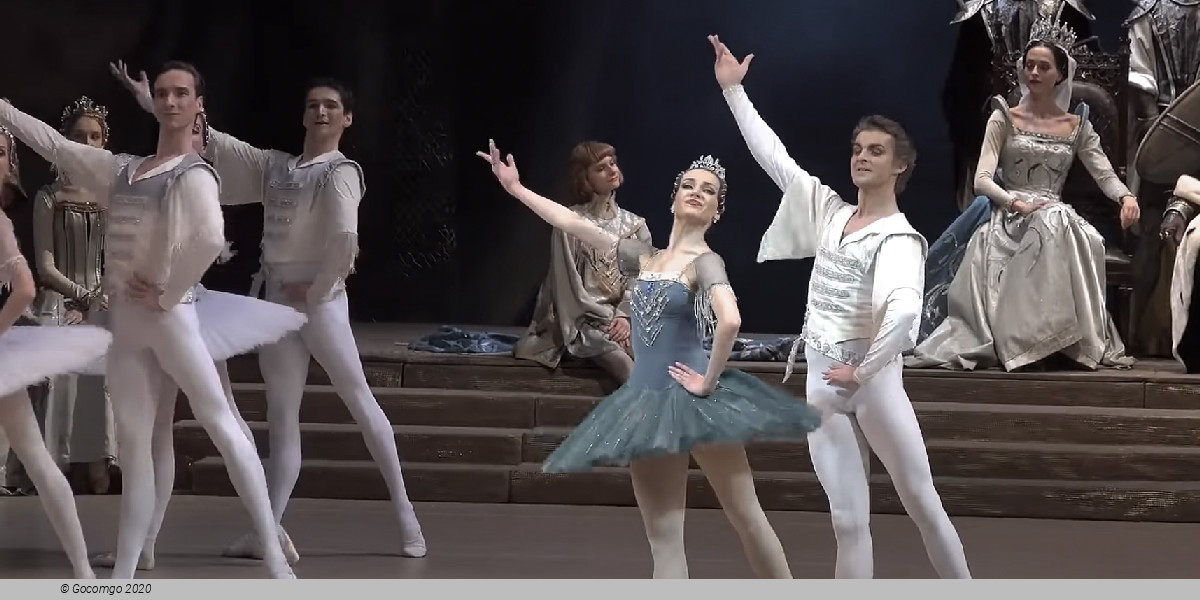
At NNTT, this classic masterpiece "Raymonda" was produced anew in October 2004. Asami Maki's intricate choreography and interpretation, modern and brisk staging, and Luisa Spinatelli's effective use of colors, costumes, and devices were all well received and it won the Asahi Performing Arts Award that year. This production was also invited to Japan Festival at the Kennedy Center in February 2008.

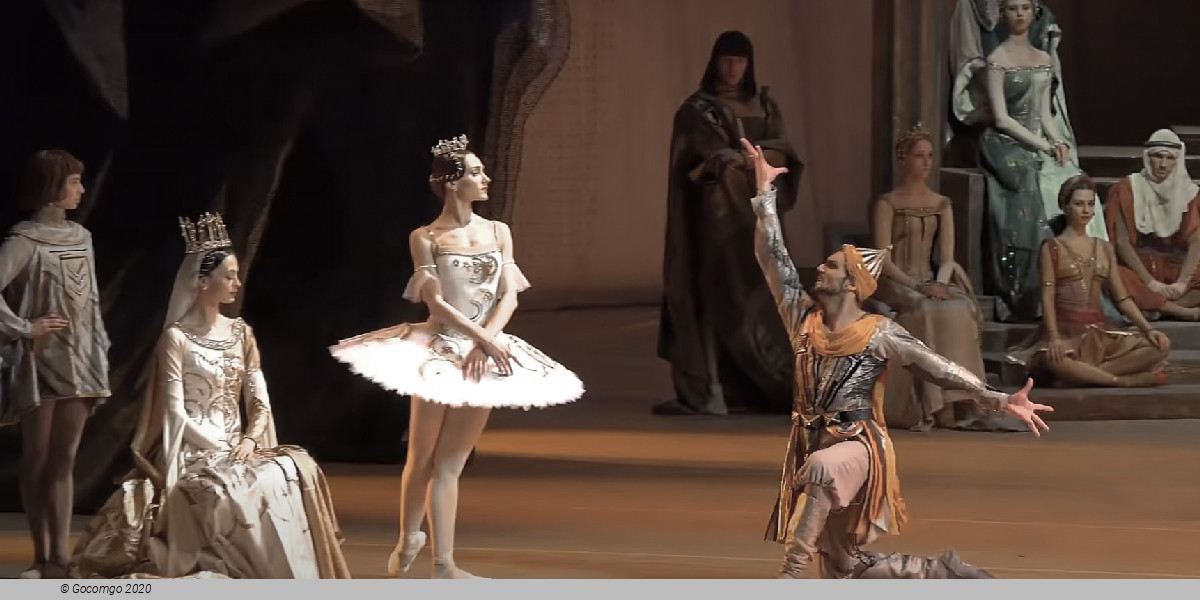
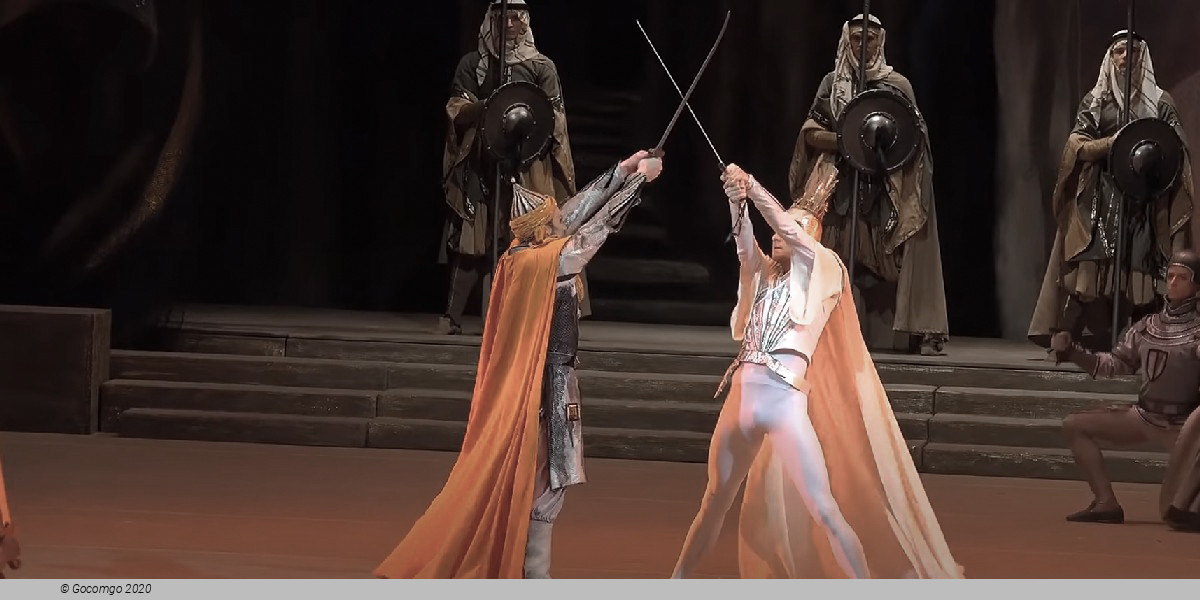
The setting is medieval France. Raymonda, a niece of a countess, is waiting for the return of her lover Jean de Brienne, who joined the Crusade. The Saracen knight Abderachman is also fascinated by the beautiful noblewoman and attempts to abduct her, dueling with Jean who has just returned home. The victorious Jean is permitted by the countess to marry Raymonda, and the two lovers are united in a grand wedding ceremony.

Raymonda was one of Petipa’s final, most successful ballets to be staged during the golden years of his career. The 1890s had seen some of the biggest highlights of Petipa’s career, which first emerged with the creation of The Sleeping Beauty. This late-era saw Petipa taking a slightly different step from what he had previously produced for the Saint Petersburg Imperial Ballet. He was now creating ballets that lacked dramatic plots and character development and were, instead, presenting new ballets that represented the grand spectacle. The ballet-féerie made its impact on the Imperial Ballet following the success of The Sleeping Beauty and materialized again in other ballets such as Cinderella and Bluebeard.

History
Premiere of this production: 19 January 1898, Imperial Mariinsky Theatre, Saint Petersburg, Russia

Raymonda  is a ballet in three acts, four scenes with an apotheosis, choreographed by Marius Petipa to music by Alexander Glazunov, his Opus 57. First presented by the Imperial Ballet at the Imperial Mariinsky Theatre on 19 January [O.S. 7 January] 1898 in Saint Petersburg, Russia. The ballet was created especially for the benefit performance of the Italian ballerina Pierina Legnani, who created the title role. Among the ballet's most celebrated passages is the Pas classique hongrois (a.k.a. Raymonda Pas de dix) from the third act, which is often performed independently.

Synopsis

Act I
Scene 1: Raymonda's feast

At the castle of Doris, preparations are under way for the celebrations of the young countess Raymonda’s name day. Countess Sybille, her aunt, chides those who are present, including Raymonda's two friends Henrietta and Clémence, and the two troubadours Béranger and Bernard, for their idleness and their passion for dancing, telling them of the legendary White Lady, the protector of the castle, who warns the Doris household every time one of its members is in danger and casts punishment on those who do not fulfil their duties. The young people laugh at the countess’s superstitions and continue to celebrate. The seneschal of the Doris castle announces the arrival of a messenger, sent by Raymonda's fiancé, the noble crusader knight, Jean de Brienne, bearing a letter for his beloved. Raymonda rejoices when she reads that King Andrew II of Hungary, for whom Jean de Brienne has fought, is returning home in triumph and Jean de Brienne will arrive at the Doris castle the next day for their wedding. Suddenly, the celebrations are interrupted when the seneschal announces the arrival of an uninvited Saracen knight, Abderakhman and his entourage, who have stopped at the castle seeking shelter for the night. Captivated by Raymonda's beauty, Abderakhman falls in love with her at once and resolves to do anything to win her. The party lasts late into the night and, left alone and exhausted by the day, Raymonda lies down on a couch and falls asleep. As she sleeps, she begins to dream that the White Lady appears illuminated by the moonlight and, with an imperious gesture, orders Raymonda to follow her.

Scene 2: The Visions

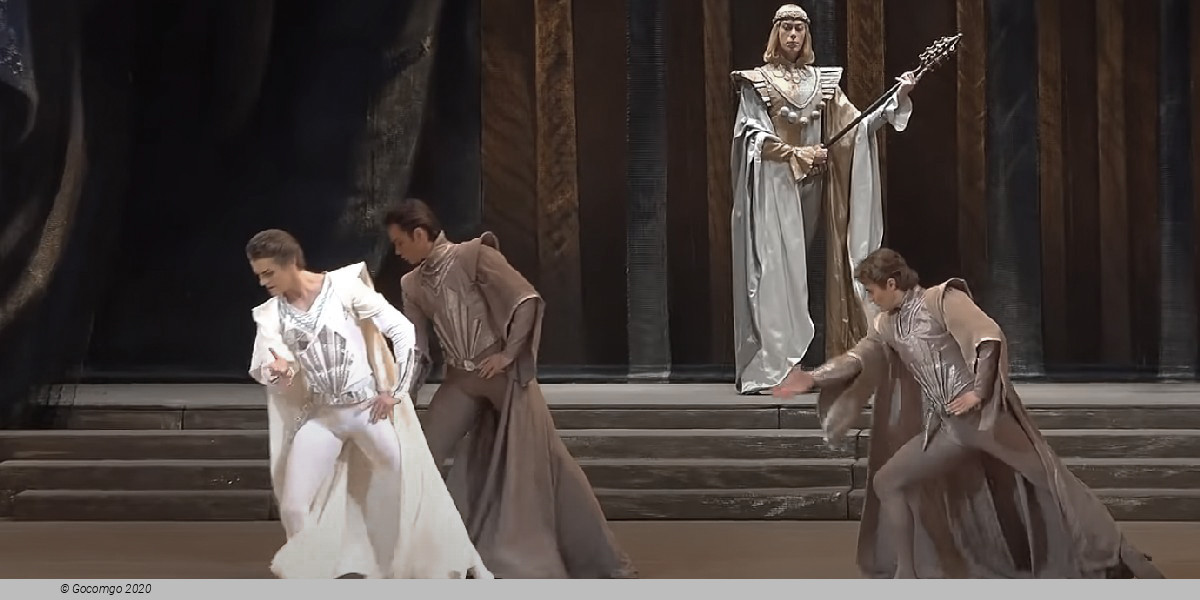
The White Lady, without making a sound, advances along the terrace. Raymonda follows her in a state of unconsciousness. At a signal from the White Lady, the garden is wrapped in mist. A moment later, the mist vanishes and Jean de Brienne appears. Overjoyed, Raymonda runs into his arms and they are surrounded by glory, knights and celestial maidens. The garden is illuminated by a fantastic light and Raymonda expresses her joy to the White Lady, who interrupts her enthusiasm with a vision of what awaits her. Raymonda wants to return to her fiancé, but instead, she finds Abderakhman, who has taken Jean de Brienne's place. Abderakhman declares his passionate love for her, but Raymonda, though confused and upset, is quick to reject him. Imps and elves appear from everywhere surrounding Raymonda, who begs the White Lady to save her and Abderakhman tries to take Raymonda by force. Raymonda cries out and falls to the ground in a faint. The frightful vision disappears along with the White Lady.

Act II
The Courtyard of the Castle

The feast in honour of Jean de Brienne's arrival is taking place. Raymonda welcomes her guests, but cannot hide her uneasiness caused by Jean de Brienne’s delay. Abderakhman approaches her repeatedly and reveals his passion for her, but remembering the warnings of the White Lady, Raymonda rejects him with contempt. Abderakhman becomes even more insistent and realises the only way to possess Raymonda is by force. He calls his slaves to dance for her, after which he summons his cup bearers and they pour a potion into everyone’s cup, causing all the guests to become drunk. Seizing his chance, Abderakhman grabs Raymonda in an attempt to abduct her, but luckily Jean de Brienne arrives just in time, accompanied by King Andrew II and his knights. Jean de Brienne saves Raymonda from the hands of the Saracens and tries to seize Abderakhman. The King commands the two rivals to put an end to the matter in a duel, during which the White Lady appears on the castle tower. Abderakhman is dazed and dies, slain by Jean de Brienne's sword. Raymonda joyfully embraces her fiancé and the two reaffirm their love as the King joins their hands.

Act III
The Wedding

Raymonda and Jean de Brienne are finally married and King Andrew II of Hungary gives the newly wedded couple his blessing. In his honour, everyone at court is dressed in Hungarian fashion and perform a range of Hungarian-style dances, ending in an Apotheosis where everyone comes together in a knightly tournament.

Venue Info

New National Theatre Tokyo - Tokyo
Location   1 Chome-1-1 Honmachi, Shibuya City

The New National Theatre, Tokyo (NNTT) is Japan's first and foremost national centre for the performing arts, including opera, ballet, contemporary dance and drama. Since 1997 more than 650 productions were staged. There are about 300 performances per season with approximately 200,000 theatergoers. The centre has been praised for its architecture and state-of-the-art modern theatre facilities, which are considered among the best in the world.

The construction of the NNTT was completed in February 1997. Its first public performances took place in October of that year. The Tokyo Opera City Tower is connected to the theatre. It has concert halls, an art gallery, a media-art museum, office space, many restaurants and shops. The combined complex of the skyscraper tower and the theatre is called the "Tokyo Opera City".

Besides the public performances, various enterprises are undertaken, such as the young artist training programs (for ballet, opera, and theatre), theatre rental for other performing arts groups, performing arts-related exhibitions, public usage of its video library and book library, public performances for children and young students, backstage tours, and most importantly, international exchanges for performing arts events, etc. Moreover, The Stage Set & Design Centre (located in Choshi city, Chiba Prefecture), stores and exhibits previously-used stage scenery and costumes.

Important Info
Type: Ballet
City: Tokyo, Japan
Starts at: 18:30
Duration: 2h 55min
Top of page