



Gallery
About
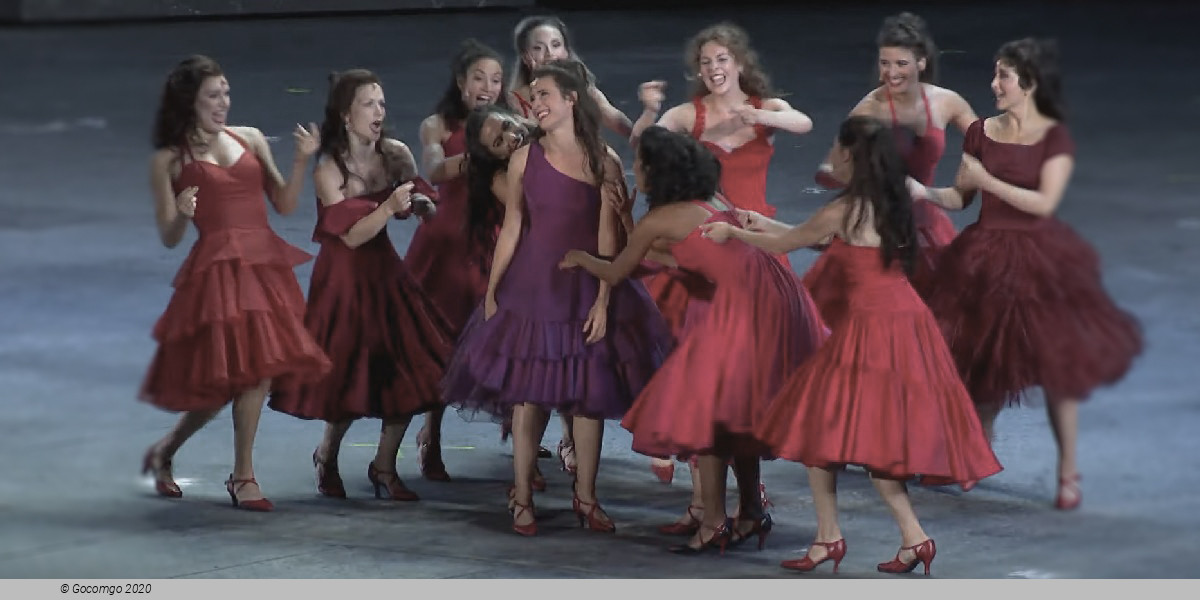
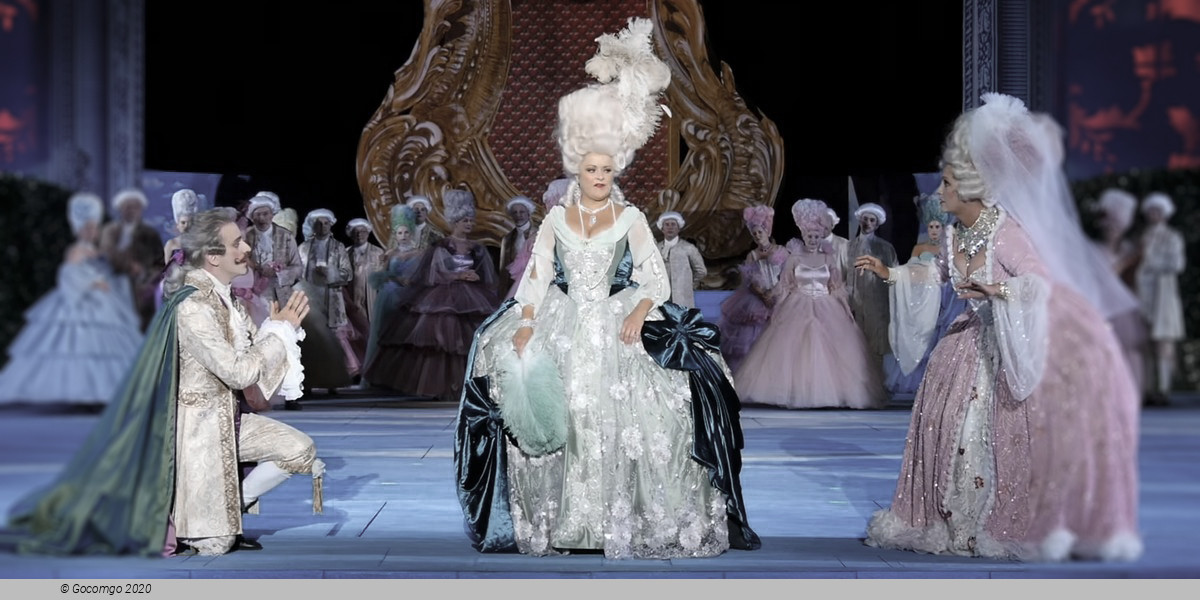
The world's largest festival of classical operettas on the shores of Lake Neusiedl, 60 km south of Vienna, under the direction of Peter Edelmann.
An extraordinary success story began in 1957 under Herbert Alsen. Around 1200 spectators enjoyed the premiere of "The Gypsy Baron"– the ideal work for the "Mörbischer-Puszta" atmosphere – on the lake stage, which was still extremely primitive at the time. Alsen was the artistic director until 1978. After his death, Fred Liewehr assumed the management of the festival. He was followed by Franziska Schurli, who was in charge from 1980 to 1984. The "Teletheater" under Dr. Heinrich Mayer took over the reins from 1984 to 1989. During this time, the main building was erected on the lake surroundings, and the capacity of the spectator stands was extended from 3000 to 3450 seats. In 1990 Prof. Rudolf Buczolich was appointed as artistic director. Prof. Harald Serafin took over the artistic direction of the Seefestspiele Mörbisch in 1992, which attracted an average of 50,000 at the time. Numerous construction projects were initiated: an administration building, a wardrobe and props wing, workshops, a newly designed entrance and stage, additional extensions to the spectator stands to increase the capacity to 6200 seats, and much more. Harald Serafin worked tirelessly to promote the festival, and managed to increase the total number of visitors to the festival on the Neusiedler See to 220,000.
In September 2012, Dagmar Schellenberger took over as artistic director and headed the Seefestspiele Mörbisch until 2017. Since September 2017, Peter Edelmann holds the artistic management.
About the SeeFestSpiele Mörbisch
The Seefestspiele Mörbisch, originally: Seespiele Mörbisch, is an annual operetta festival in Mörbisch am See (Austria). With around 150,000 visitors, the Mörbisch Lake Festival is the world's largest festival of the operetta genre. In addition to operettas, classical musicals are also performed on an irregular basis. Above all, the natural scenery of Neusiedler See is always incorporated into the stage set. The area is very flat, so transmission technology specially developed for the Lake Festival is used.

The initiative for the Seespiele, founded in the years 1955–1957, came from the celebrated chamber singer Herbert Alsen (among others) at the Vienna State Opera (1906–1978), who, together with his wife, the costume designer Gisela Bossert (†2012), who had worked in Berlin, discovered the venue by chance while looking for a holiday location that was climatically conducive to his voice, and whom the peculiar musicality of this landscape permanently touched.

Alsen's plans found favour with the municipal council of Mörbisch as well as with the representative of the province, Landesrat Hans Bögl (1899–1974), especially as the project fitted into the tourism concept of the municipality and the province, and Alsen subsequently agreed to take over the directorship of the Seespiele for an initial period of five years (with reference to possible competition with the Bregenz Festivals), stressing that the Seespiele in Mörbisch did not want to be a festival that would add to the excessive number of festival venues.

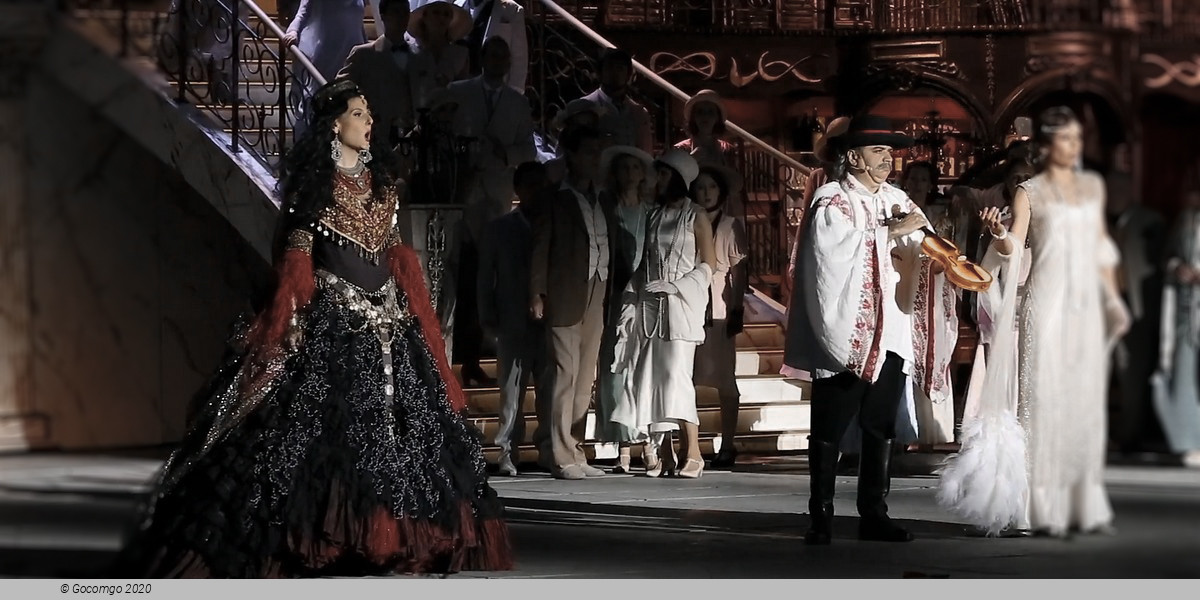
After two years of preparation, the opening took place on 6 July 1957 with the operetta The Gypsy Baron by Johann Strauss II.