Graz Opera House tickets 22 April 2026 - Castor et Pollux | GoComGo.com

Castor et Pollux

Graz Opera House, Graz, Austria
All photos (9)
Select date and time
7:30 PM
From
US$ 94

E-tickets: Print at home or at the box office of the event if so specified. You will find more information in your booking confirmation email.

You can only select the category, and not the exact seats.
If you order 2 or 3 tickets: your seats will be next to each other.
If you order 4 or more tickets: your seats will be next to each other, or, if this is not possible, we will provide a combination of groups of seats (at least in pairs, for example 2+2 or 2+3).

Important Info
Type: Opera
City: Graz, Austria
Starts at: 19:30
Acts: 5
Duration: 2h 45min
Sung in: French
Titles in: German

E-tickets: Print at home or at the box office of the event if so specified. You will find more information in your booking confirmation email.

You can only select the category, and not the exact seats.
If you order 2 or 3 tickets: your seats will be next to each other.
If you order 4 or more tickets: your seats will be next to each other, or, if this is not possible, we will provide a combination of groups of seats (at least in pairs, for example 2+2 or 2+3).

Overview

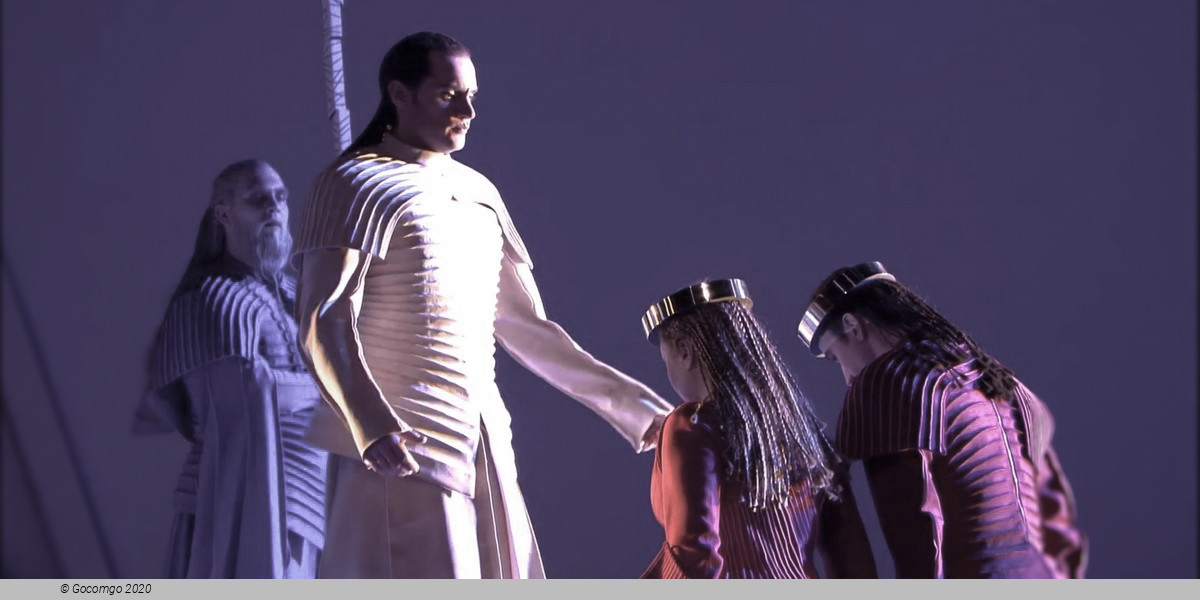
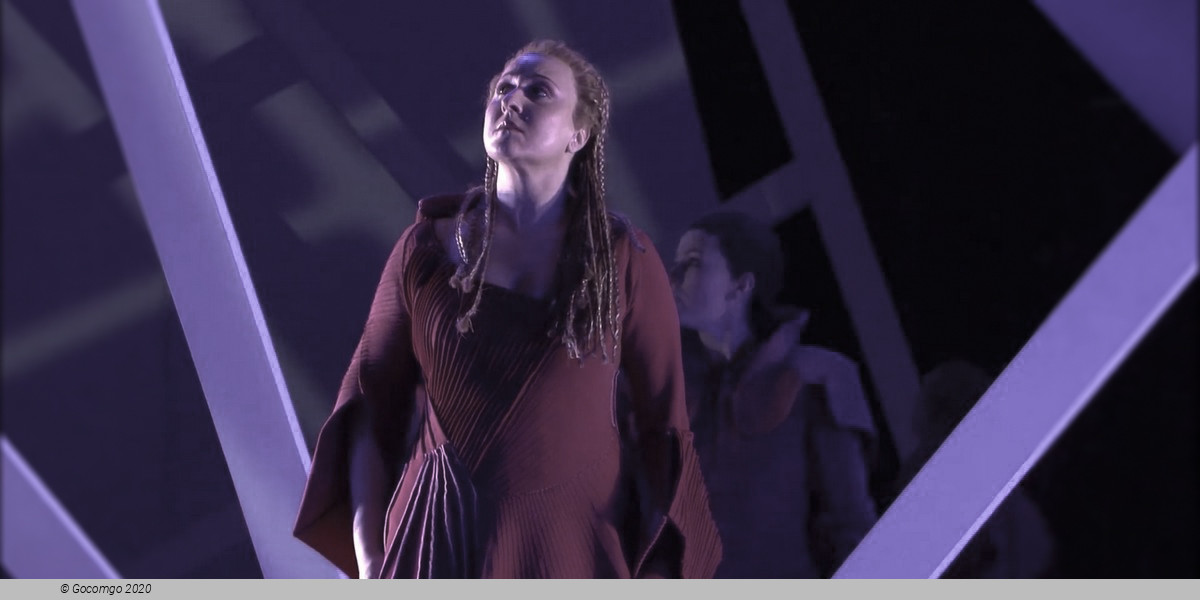
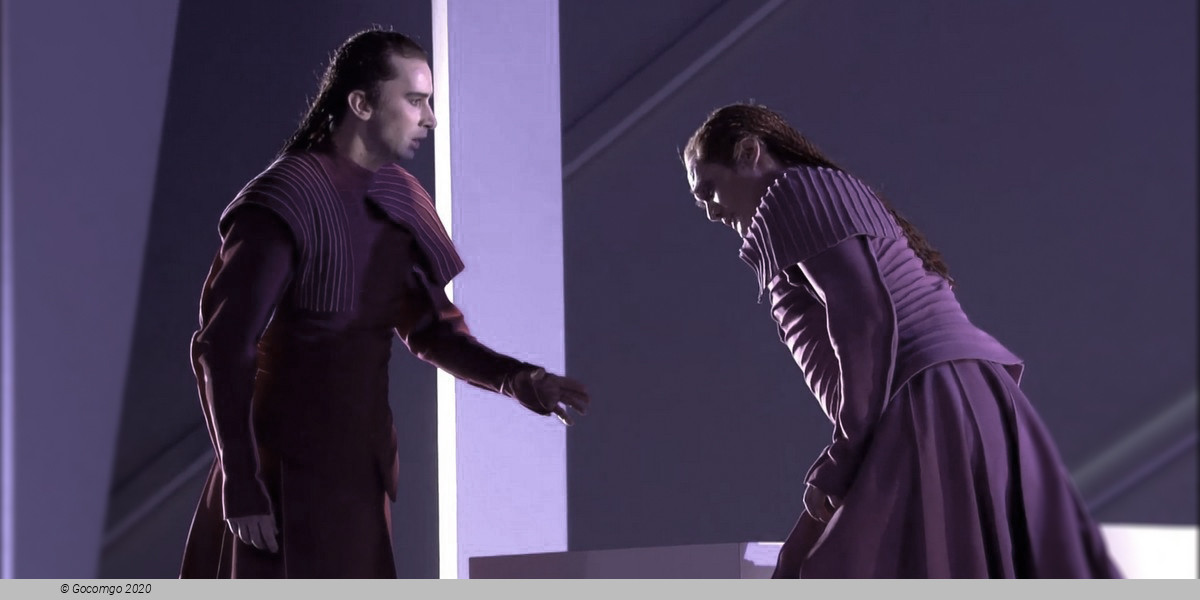
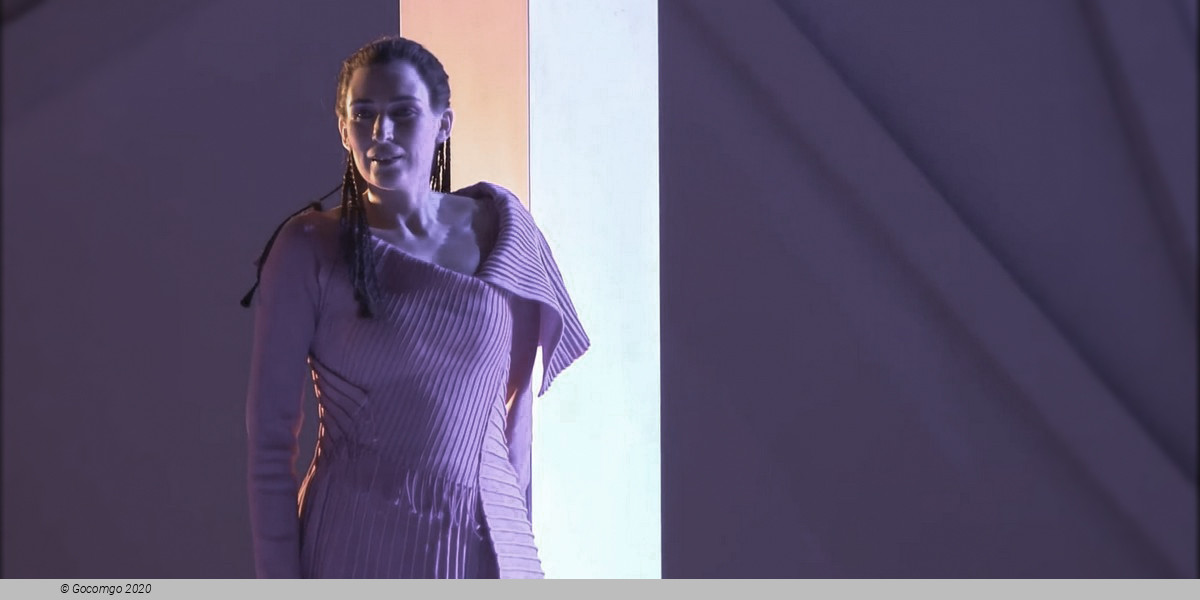
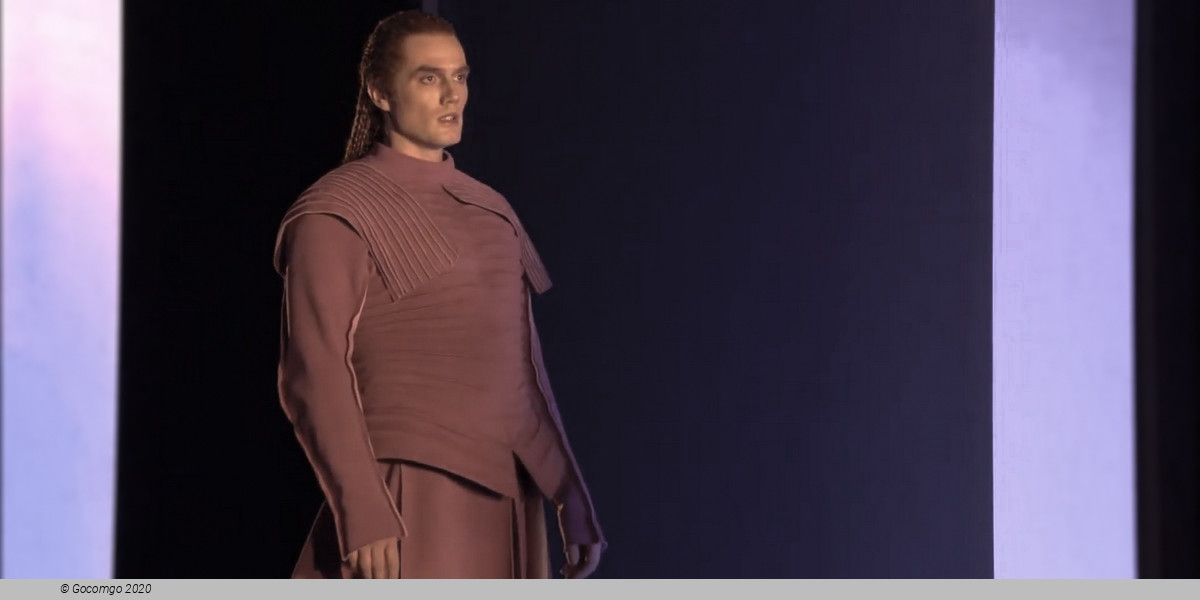
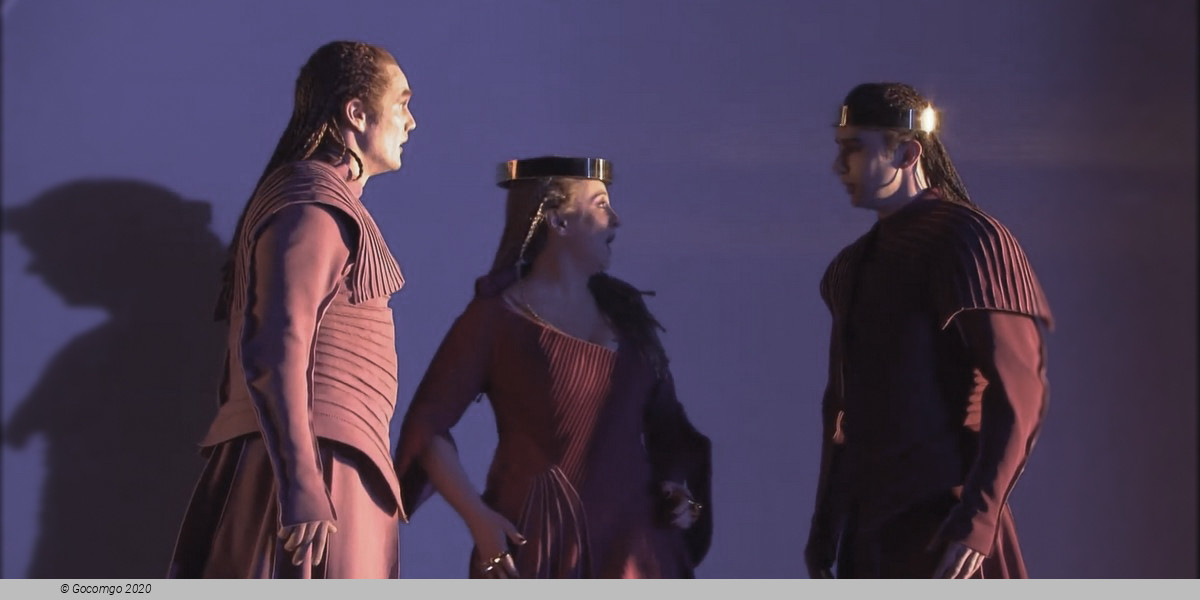
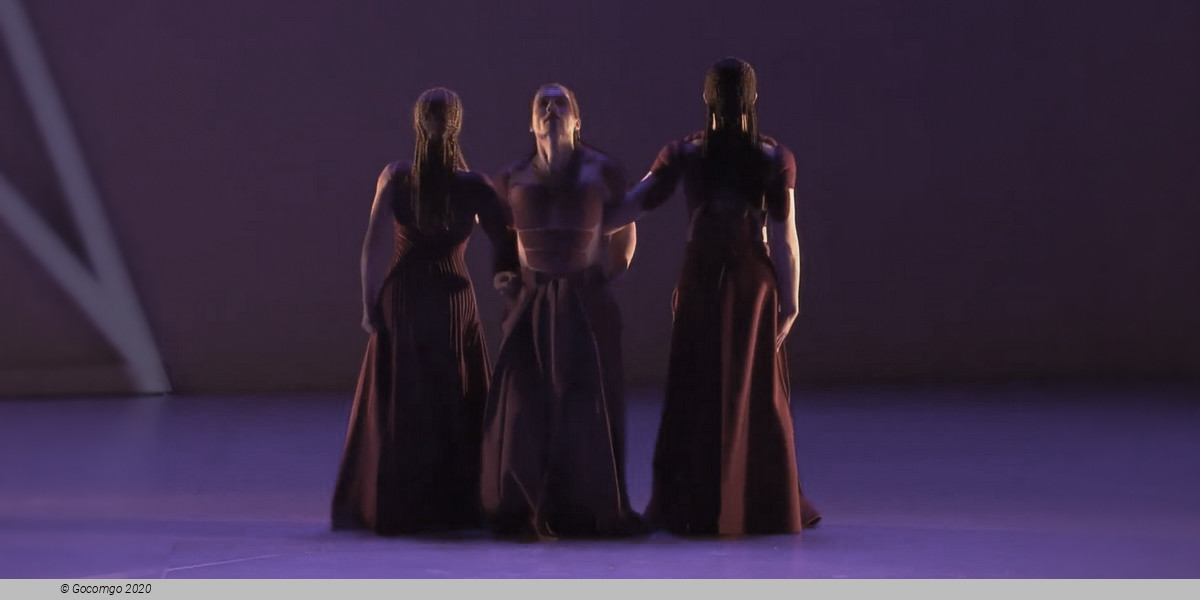
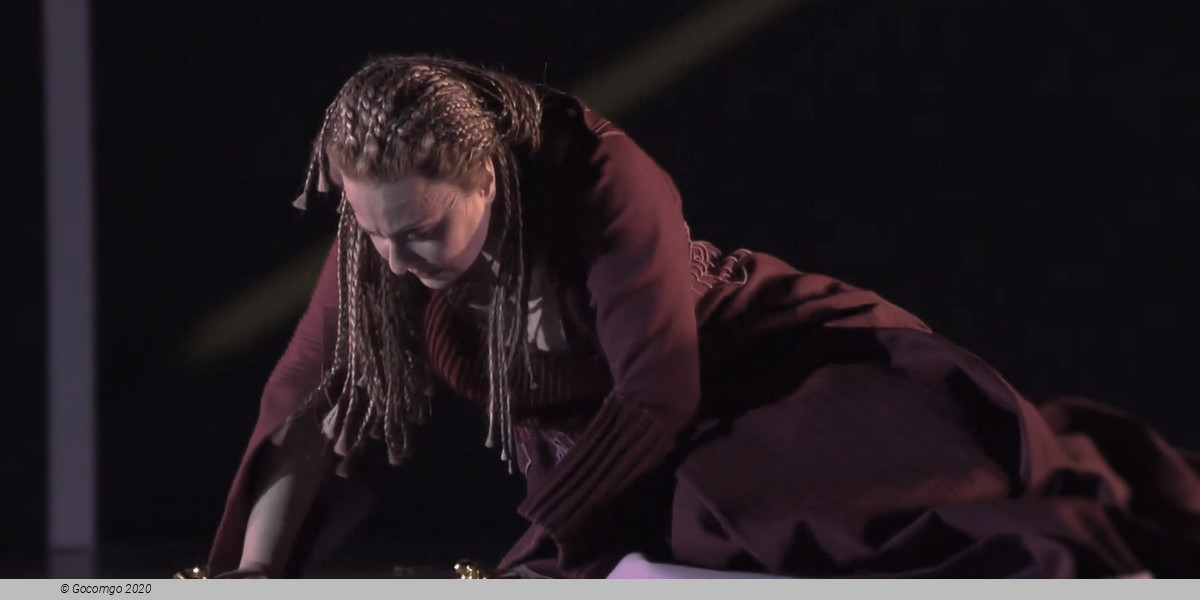
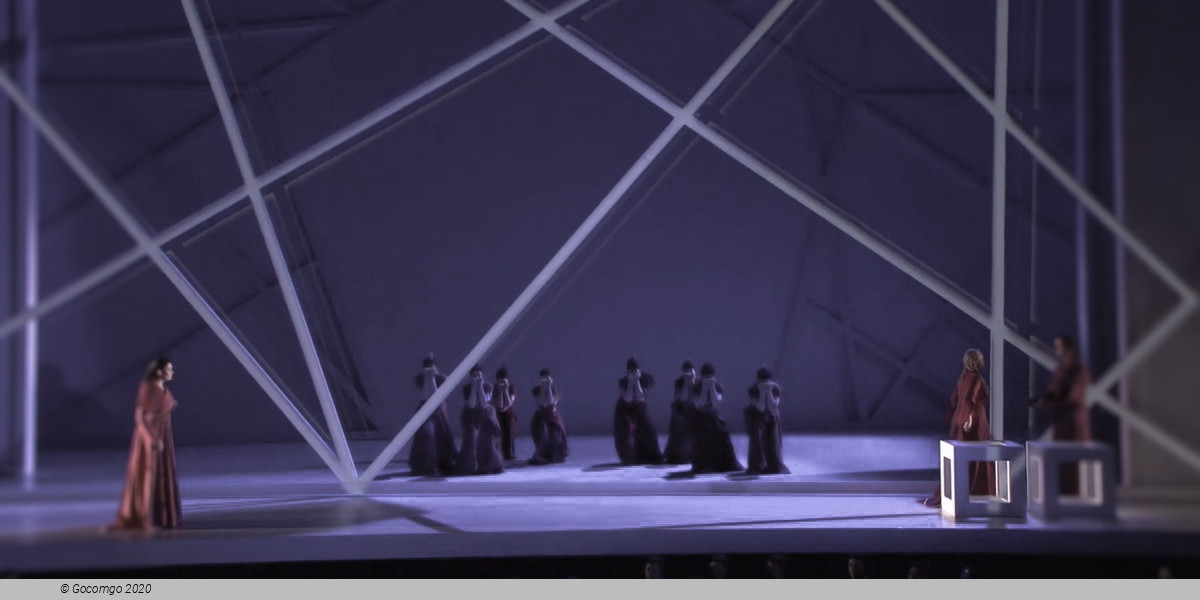
Four people going through the hell of their own emotions are at the centre of Jean-Philippe Rameau’s masterpiece Castor et Pollux. Choreographer and director Nanine Linning, already known to audiences in Graz as the director of the Giulietta act of The Tales of Hoffmann in the 2023/24 season, once again merges the intrinsic elements of dance and music theatre in the French baroque opera. Her artistic partner on this journey into the human abyss is Bernhard Forck, a specialist in early music.

Télaïre is promised to Pollux but, like Phébé, loves Pollux’s brother Castor. Pollux, in turn, loves Télaïre ... – The initial conflict in Rameau’s third opera is simply insoluble. Although Pollux releases Télaïre for his beloved brother, he is killed shortly afterwards in a fight provoked by the jealous Phébé. So that Castor and Télaïre can still be reunited, Pollux decides to bring his brother back from the underworld. To do so, however, he must make a great sacrifice and remain in the underworld himself. And Phébé’s love for Castor is still burning ...

The journey to the underworld to bring a loved one back to this world is a famous theme in world literature. As in one of the first operas in music history, Monteverdi’s L’Orfeo, Rameau also uses this trope to paint an inner portrait of the souls of his four protagonists.
In doing so, he relies on sophisticated and unconventional harmonies and the use of differentiated timbres, which virtually revolutionised French opera after Lully. After the premiere in 1737, the composer subjected the tragédie mise en musique to a far-reaching revision that streamlined the plot, which was to celebrate a ground-breaking success in its second version in 1754 – and certainly contributed to Camille Saint-Saëns’ judgement over 100 years later: “The immortal Rameau is the greatest musical genius that France has ever produced.”

History
Premiere of this production: 24 October 1737, Theatre in the Palais-Royal in Paris

Castor et Pollux (Castor and Pollux) is an opera by Jean-Philippe Rameau, first performed on 24 October 1737 by the Académie royale de musique at its theatre in the Palais-Royal in Paris. The librettist was Pierre-Joseph-Justin Bernard, whose reputation as a salon poet it made. This was the third opera by Rameau and his second in the form of the tragédie en musique (if the lost Samson is discounted). Rameau made substantial cuts, alterations and added new material to the opera for its revival in 1754. Experts still dispute which of the two versions is superior. Whatever the case, Castor et Pollux has always been regarded as one of Rameau's finest works.

Synopsis

The synopsis is based on 1737 version

Prologue
The allegorical prologue is unrelated to the main story. It celebrates the end of the War of the Polish Succession, in which France had been involved. In the prologue, Venus, goddess of love, subdues Mars, god of war, with the help of Minerva. In the 1754 revision, the prologue was eliminated.

Act 1
Background note: Castor and Pollux are famous heroes. Despite being twin brothers, one of them (Pollux) is immortal and the other (Castor) is mortal. They are both in love with the princess Telaira (Télaïre), but she loves only Castor. The twins have fought a war against an enemy king, Lynceus (Lyncée) which has resulted in disaster: Castor has been slain. The opera opens with his funeral rites. Telaira expresses her grief to her friend Phoebe (Phébé) in Tristes apprêts, one of Rameau's most famous arias. Pollux and his band of Spartan warriors interrupt the mourning bringing the dead body of Lynceus who has been killed in revenge. Pollux confesses his love for Telaira. She avoids giving a reply, instead asking him to go and plead with his father Jupiter, king of the gods, to restore Castor to life.

Music in Act I: In the 1737 version, the act opens with a tomb scene in which a chorus of Spartans mourns the death of their fallen king Castor who has been slain by Lynceus. The music in F minor features a descending tetrachord motive associated with lamentation since Claudio Monteverdi's Nymph's Lament (in this case it is chromatic: F-E-Eb-D-Db-C). Although Telaira's Tristes apprêts in scene 3 does not have the descending tetrachord feature, Cuthbert Girdlestone still calls it a lament. The air is in da capo form, whose B-section has a recitative-like quality. It features a bassoon obbligato part and a high register outburst on the word "Non!" that marks its high point. The march music for the entrance of Pollux and the Spartans is martial in character. With Lynceus's corpse at his feet, Pollux proclaims his brother avenged; the Spartans chorus then sings and dances in rejoice "Let Hell applaud this new turn! Let a mournful shade rejoice in it! The cry of revenge is the song of Hell.". The second air of the Spartans in C Major, a that allows for a trumpet obbligato part with all of its military associations. (Before valved instruments, the trumpet keys were C and D major.) The act concludes with a lengthy recitative in which Pollux professes his love for Telaira.

Act 2
Pollux expresses his conflicting emotions in the aria Nature, amour, qui partagez mon coeur. If he does what Telaira says and manages to persuade Jupiter to restore his brother to life, he knows he will lose the chance to marry her. But he finally yields to her pleas. Jupiter descends from above and Pollux begs him to bring Castor back to life. Jupiter replies he is powerless to alter the laws of fate. The only way to save Castor is for Pollux to take his place among the dead. Pollux, despairing that he will never win Telaira, decides to go to the Underworld. Jupiter tries to dissuade him with a ballet of the Celestial Pleasures led by Hebe, goddess of youth, but Pollux is resolute.

Act 3
The stage shows the entrance to the Underworld, guarded by monsters and demons. Phoebe gathers the Spartans to prevent Pollux from entering the gate of the Underworld. Pollux refuses to be dissuaded, even though Phoebe declares her love for him. When Telaira arrives and she sees Pollux's passion for her, Phoebe realises her love will be unrequited. She urges the demons of the Underworld to stop him entering (Sortez, sortez d'esclavage/Combattez, Démons furieux). Pollux fights the demons with the help of the god Mercury and descends into Hades.

Act 4
The scene shows the Elysian fields in the Underworld. Castor sings the aria Séjours de l'éternelle paix: the beautiful surroundings cannot comfort him for the loss of Telaira, neither can a Chorus of Happy Spirits. He is amazed to see his brother Pollux, who tells him of his sacrifice. Castor says he will only take the opportunity to revisit the land of the living for one day so he can see Telaira for the last time.

Act 5
Castor returns to Sparta. When Phoebe sees him, she thinks Pollux is dead for good and commits suicide so she can join him in the Underworld. But Castor tells Telaira he only plans to remain alive with her for a single day. Telaira bitterly accuses him of never having loved her. Jupiter descends in a storm as a deus ex machina to resolve the dilemma. He declares that Castor and Pollux can both share immortality. The opera ends with the fête de l'univers ("Festival of the Universe") in which the stars, planets and sun celebrate the god's decision and the twin brothers are received into the Zodiac as the constellation of Gemini.

Venue Info

Graz Opera House - Graz
Location   Kaiser-Josef-Platz 10

Oper Graz — a jewel of musical theatre in the heart of Austria. Located in the vibrant center of Graz, Oper Graz stands as one of Austria’s most distinguished opera houses, where historic elegance meets a bold, contemporary artistic spirit. Since its opening at the end of the 19th century, the theatre has remained a cultural landmark of Styria, welcoming audiences into a world of music, drama, and refined theatrical beauty.

The building itself is a masterpiece of Neo-Baroque architecture. Its graceful façade, grand staircases, and light-filled foyers set the tone for an evening of sophistication long before the curtain rises. Inside, the richly decorated auditorium offers excellent sightlines and acoustics, creating an intimate yet majestic atmosphere that allows every nuance of voice and orchestra to be fully experienced.

Oper Graz is renowned for its diverse and carefully curated repertoire. Classical masterpieces by Mozart, Verdi, Wagner, and Puccini share the stage with rarely performed works, contemporary operas, and imaginative ballet productions. The theatre is celebrated for its artistic courage, presenting traditional works through fresh directorial visions while maintaining deep respect for musical integrity.

At the heart of Oper Graz is its outstanding orchestra, acclaimed choir, and a strong ensemble of soloists, complemented by international guest artists. Each season reflects a balance between timeless tradition and modern creativity, appealing both to seasoned opera lovers and to audiences discovering the genre for the first time.

Beyond the stage, Oper Graz is deeply connected to the cultural life of the city. A visit here can easily become the highlight of a journey through Graz — a city known for its UNESCO-listed old town, vibrant café culture, and artistic energy.

Elegant, inspiring, and alive with musical excellence, Oper Graz offers more than a performance — it offers an experience where history, emotion, and artistry come together in perfect harmony.

Important Info
Type: Opera
City: Graz, Austria
Starts at: 19:30
Acts: 5
Duration: 2h 45min
Sung in: French
Titles in: German
Top of page